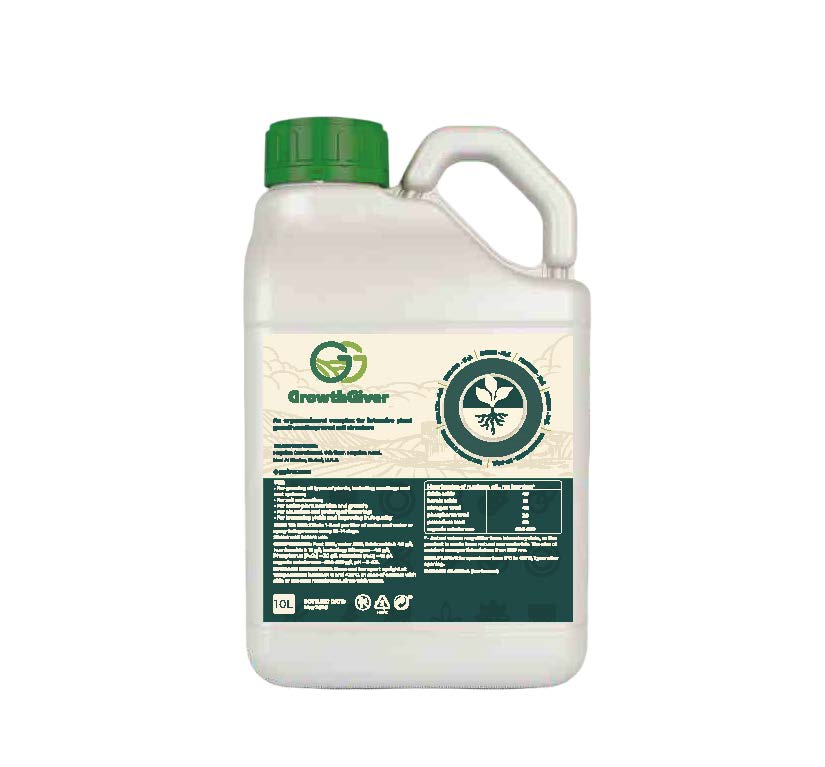
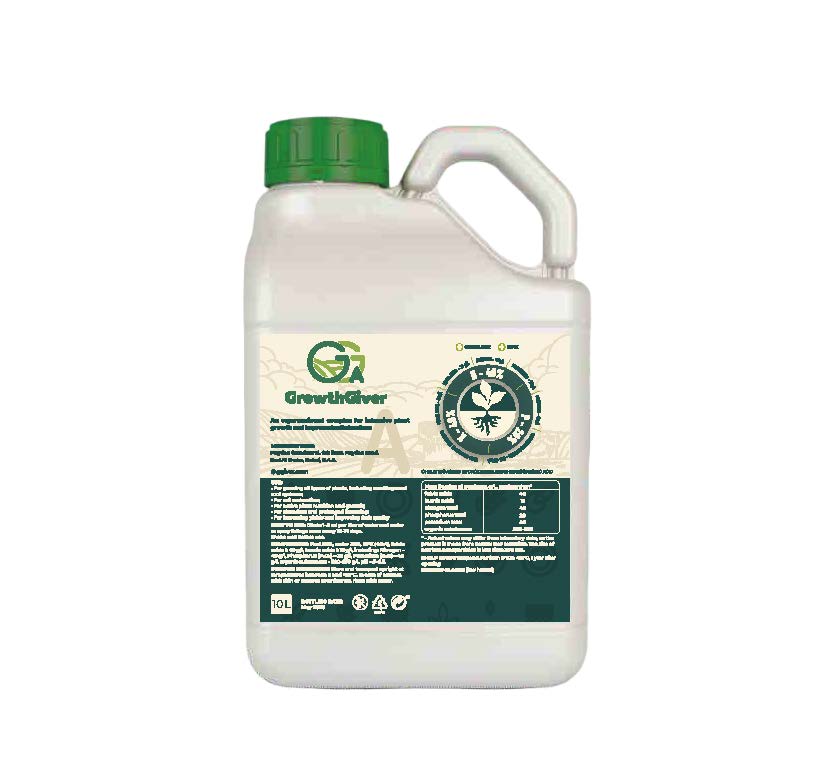
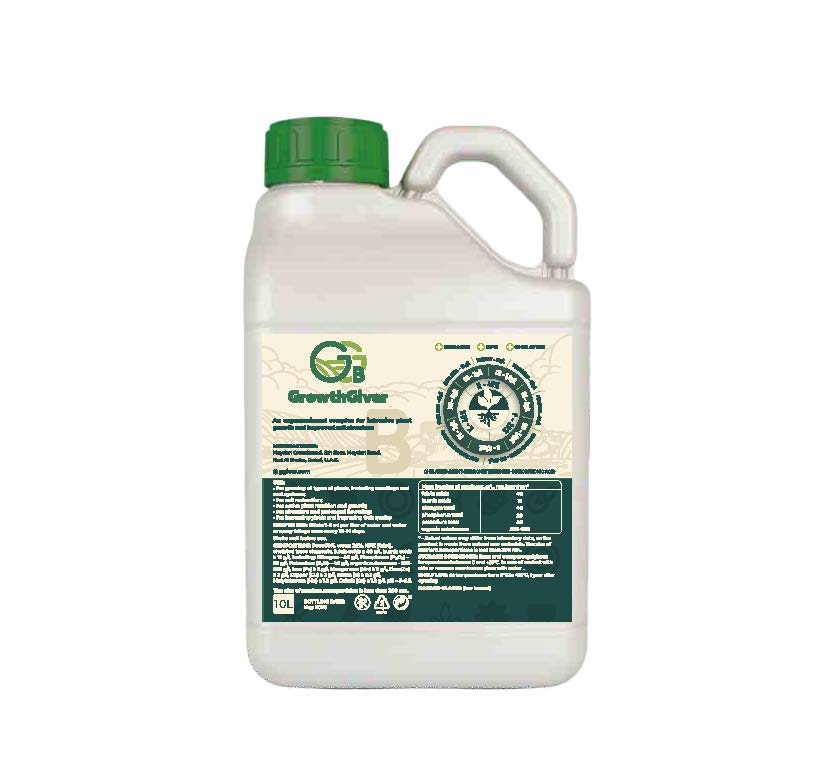
Bio-Activator GG STIMULATES PLANT GROWTH AND INCREASES YIELD BY 16%
It accelerates metabolic processes in plant cells and their division, and stimulates the synthesis of proteins and nucleic acids. This leads to a stable increase in crop yields.
Bio-Activator GG REDUCES THE NUMBER OF MINERAL FERTILIZERS USED BY UP TO 30% AND INCREASES THEIR ABSORPTION BY UP TO 80%
The bioactivator forms chelated compounds with mineral elements (nitrogen, phosphorus, potassium, and micronutrients), which are easily absorbed by plants, increasing the efficiency of mineral fertilizers in GG.
Bio-Activator GG RECULTIVATES AND RESTORES SOIL FERTILITY
It is a food source for beneficial soil microorganisms that are involved in the decomposition of organic matter and the release of nutrients. The product is also capable of binding and neutralizing heavy metals and pesticides in the soil, making them less accessible to plants and reducing the risk of harmful substances accumulating in the produce.
Effective microelement nutrition in any conditions:
A highly concentrated, peat-based bioactivator with nanoparticles and economical consumption
Gentle nanoscale crushing technology without alkalis or high temperatures
Recuperate soil and improves its structure, increases fertilit
Reducing plant diseases and improving plant health
Rapid growth of green mass and accelerated ripening