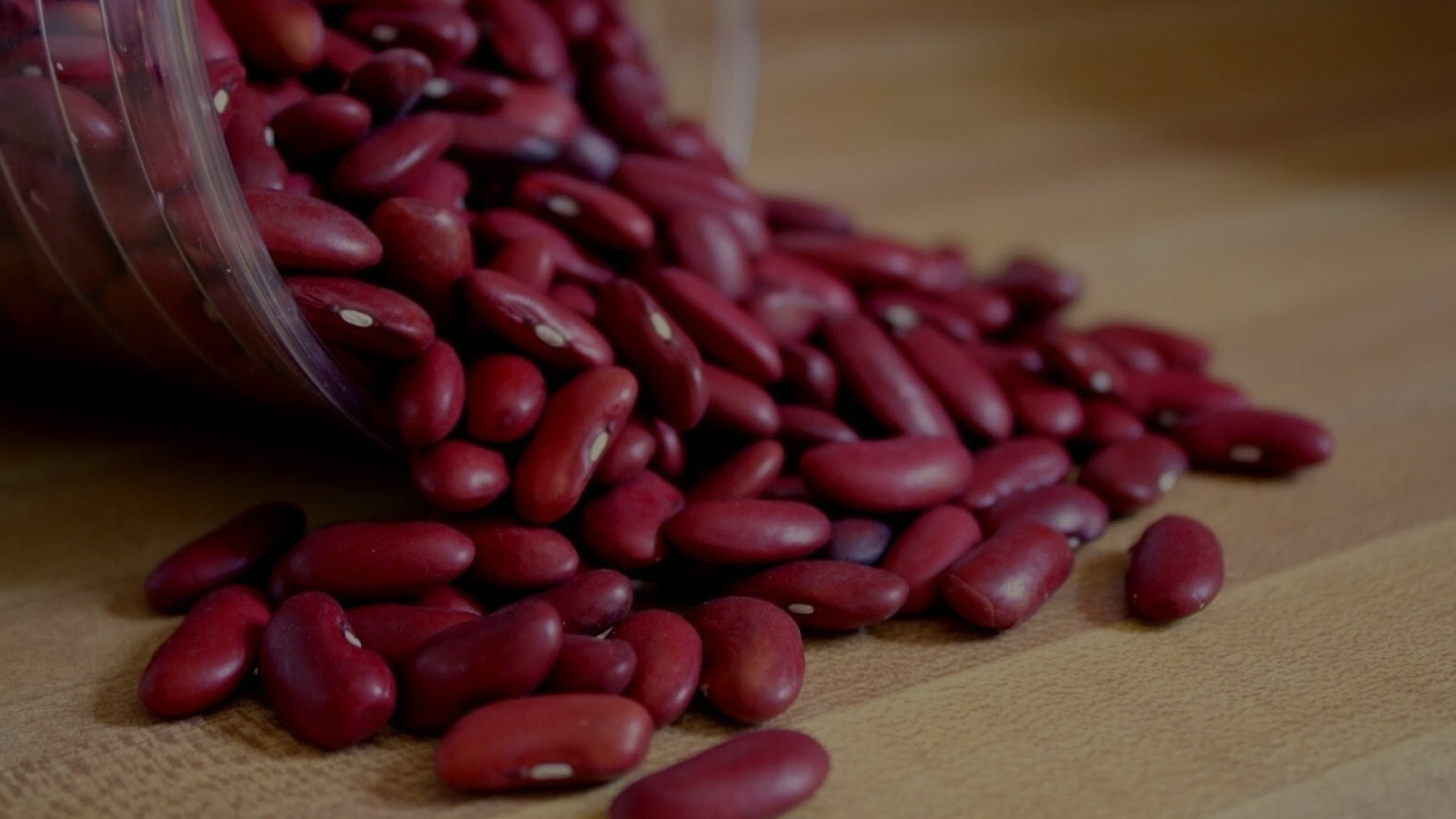
Beans, dry

Maximizing Bean Yield: The Importance of Optimal Fertilization for Quality Crop Production

Beans are a versatile and valuable crop, known for their high protein content and rich flavor. Cultivating beans requires careful attention to soil preparation, watering, and pest management. Key factors in successful bean farming include ensuring proper sunlight, maintaining adequate moisture, and selecting the right varieties for local climates. Essential care requirements also encompass crop rotation and soil health management.

Fertilizer application is crucial to achieving optimal growth and maximizing yield. Understanding the nutritional needs of beans and how to fulfill them through the right fertilization strategy can lead to richer flavors, larger sizes, and prolonged shelf life. This article explores how proper fertilization impacts bean growth and why selecting the right fertilizers is vital.

More info for Beans, dry
FAQ
What is the best fertilizer for growing beans?
The best fertilizers for growing beans are well-balanced formulations specifically designed for legumes, containing adequate nitrogen, phosphorus, and potassium. Organic options like compost or well-aged manure can also be beneficial.
How often should I fertilize my bean plants?
It is recommended to fertilize bean plants before planting and during key growth stages, particularly at flowering and pod formation. Monitoring plant health and soil nutrient levels will also guide additional applications.
Can excessive fertilization harm bean crops?
Yes, excessive fertilization can lead to nutrient imbalances, excessive foliage growth, and poor pod development. It is crucial to follow recommended application rates based on soil tests to ensure optimal plant health.
Interesting fact

Did you know that beans are one of the oldest cultivated crops in the world? Archeological evidence suggests that beans have been cultivated for over 7,000 years, highlighting their importance not only in agriculture but also in human nutrition.

The Role of Fertilization in Bean Growth

Nutritional Needs of Beans
Beans, as legumes, have unique nutritional requirements compared to other crops. They require macro-elements such as nitrogen, phosphorus, and potassium, as well as several essential micronutrients including iron, zinc, and manganese. Nitrogen is particularly critical for bean plants because it plays a significant role in leaf and stem development.

Using fertilizers that include these primary nutrients can enhance photosynthesis and overall plant health. For instance, phosphorus is vital for root development and flower production, while potassium helps regulate water usage and improves disease resistance. Providing these nutrients through appropriate fertilizers establishes a strong foundation for robust growth.

Soil Testing and Fertilizer Selection
Before applying any fertilizers, it is essential to conduct a soil test. A comprehensive analysis will reveal current nutrient levels and pH, allowing farmers to tailor their fertilization approach. By understanding the specifics of their soil, farmers can choose fertilizers that best meet bean crop needs, ensuring both efficiency and cost-effectiveness.

Choosing the right type of fertilizer—whether it be organic, synthetic, or bio-fertilizers—also plays a pivotal role in bean production. Organic fertilizers such as compost enhance soil structure and provide a slow release of nutrients, while synthetic fertilizers can deliver immediate support for plant growth. Balancing these options can lead to the most favorable outcomes in terms of yield and quality.

Timing and Application Techniques
The timing of fertilizer application significantly impacts how well beans can utilize available nutrients. It is usually beneficial to apply fertilizers before planting and during critical growth stages, such as early flowering and pod formation. This method maximizes nutrient uptake and guarantees that plants are fortified at key growth phases. Additionally, employing the right application techniques—whether broadcasting or banding—can improve nutrient efficiency and access to plant roots.

Using slow-release fertilizer options is also valuable, as these products provide nutrients over extended periods, reducing the risk of leaching and promoting sustainability in farming practices. Understanding and implementing these advanced techniques helps ensure that bean crops receive nutrients when they need them most.

Quality of Beans and Its Correlation with Fertilization

Impact of Fertilization on Bean Quality
Proper fertilization directly influences not only the yield but also the quality of harvested beans. Beans grown in well-nourished soils tend to be more flavorful, have a vibrant color, and possess a better texture. Enhanced nutrient uptake leads to increased levels of essential amino acids and vitamins, contributing to higher nutritional value.

Farmers should particularly focus on micronutrient application, as deficiencies in elements such as zinc can cause issues like reduced seed size and pod development. On the other hand, proper fertilization can ensure that each bean reaches its optimal size, flavor profile, and nutritional content.

Residual Benefits of Healthy Beans
Healthy bean crops don't just benefit farmers; they contribute positively to the ecosystem. Due to their nitrogen-fixing ability, beans improve soil fertility and structure, providing ongoing benefits to subsequent crops. This sustainable approach reduces the need for synthetic fertilizers, fostering healthier farming practices and leading to long-term soil productivity.
Calculate your product
Average according to FAO*
Yield*
0.0 t\ha
Weighted average cost (2023-2025)*
0.0 $\t
According to GGG testing data*
Total GG cost
0.0 $
GG input cost
0.0 $
1 person by hand: ~1-3 ha per day (depending on the norm and conditions)
Result of applying gg:
MIN
MAX
Yield increase (low / high)**, %
According to GGG testing data*
0.0
0.0
Yield*, t*
0.0
0.0
GG cost, $
0.0
0.0
GG input, $
0.0
0.0
Revenue, $
0.0
0.0
Balance, $
0.0
0.0
Net profit, $
0.0
0.0
Net profit, $/ha
0.0
0.0
roi
0.0
0.0
Disclaimer

This document is for informational and illustrative purposes only and does not constitute a public offer, investment advice, or a binding commercial proposal.

All calculations are based on assumptions and publicly available data, including but not limited to FAO and World Bank.

Actual results may vary significantly depending on local conditions, market fluctuations, and agronomic practices.

The company does not guarantee the achievement of the stated results.

Sources

FAO, World Bank, local markets / models

The method of calculating the price:

Prices are calculated based on a combination of international commodity benchmarks and country-specific adjustment coefficients.

Yield assumptions

Yield response is based on agronomic averages and may vary depending on soil, climate, and farming practices.

Limitations of the model

- does not take into account logistics

- does not take into account contracts

- does not take into account market volatility

The model is intended for indicative economic assessment only.
* Average if not according to FAO
**The size of the increase in target products against the background of the introduction of sufficient doses of NPK