The Importance of Fertilization in Chickpea Cultivation
Understanding Nutritional Requirements
Chickpeas have specific nutrient requirements that must be met for optimal growth. Essential nutrients include nitrogen (N), phosphorus (P), potassium (K), calcium, magnesium, and sulfur. Among these, nitrogen is particularly important as it promotes vegetative growth and affects overall yield. Chickpeas are nitrogen-fixing crops, meaning they can convert atmospheric nitrogen into a form usable by plants. However, in many cases, additional nitrogen is required, especially during critical growth stages.
Phosphorus plays a vital role in root development and energy transfer within the plant. Adequate phosphorus levels can enhance early growth and improve flowering. Potassium, on the other hand, is crucial for water regulation and enhances the plant's resistance to diseases, making it important for maintaining optimal yield.
Types of Fertilizers for Chickpeas
Choosing the right fertilizers can significantly influence chickpea growth. Fertilizers can be categorized into two primary types: organic and inorganic.
Organic Fertilizers: These include compost, well-rotted manure, and leguminous cover crops. Organic fertilizers improve soil structure, increase microbial activity, and enhance nutrient availability. They release nutrients slowly, providing a steady supply over time, which is beneficial for chickpeas, especially during the flowering and pod-setting phases.
Inorganic Fertilizers: These commercial fertilizers often contain specific nutrient ratios designed for optimal plant growth. Commonly used inorganic fertilizers for chickpeas include:
NPK Fertilizers: These fertilizers contain nitrogen, phosphorus, and potassium in various ratios. For chickpeas, a balanced NPK ratio, such as 10-20-20, can be effective in ensuring adequate nutrient availability.
Urea: A commonly used nitrogen source, urea is cost-effective and can boost growth when applied at the right growth stages.
Superphosphate: This phosphorus-rich fertilizer can enhance root development and early growth, particularly in deficient soils.
Timing and Method of Application
The timing and method of fertilizer application play crucial roles in nutrient uptake and overall plant health. Soil tests should be conducted to determine nutrient levels and tailor the fertilization plan accordingly. Generally, fertilizers should be applied before planting, during early growth, and at flowering to ensure that chickpeas receive nutrients when they need them most.
Broadcasting fertilizers evenly across the field and incorporating them into the soil can enhance nutrient absorption. Foliar feeding can also be employed to provide nutrients directly to the leaves, allowing for rapid uptake, particularly in cases where nutrient deficiencies are evident.
How Proper Fertilization Affects Chickpea Growth
The relationship between fertilization and the growth of chickpeas is well-documented. Adequate fertilization promotes healthy root and plant development, enhancing yield quality. Here are key benefits of proper fertilization:
Increased Yield
Research indicates that crops grown under optimal fertilization conditions yield significantly higher than those that are under-fertilized. A study conducted in various agricultural regions demonstrated that implementing a fertilization program could increase chickpea yield by 20-50%.
Enhanced Taste and Quality
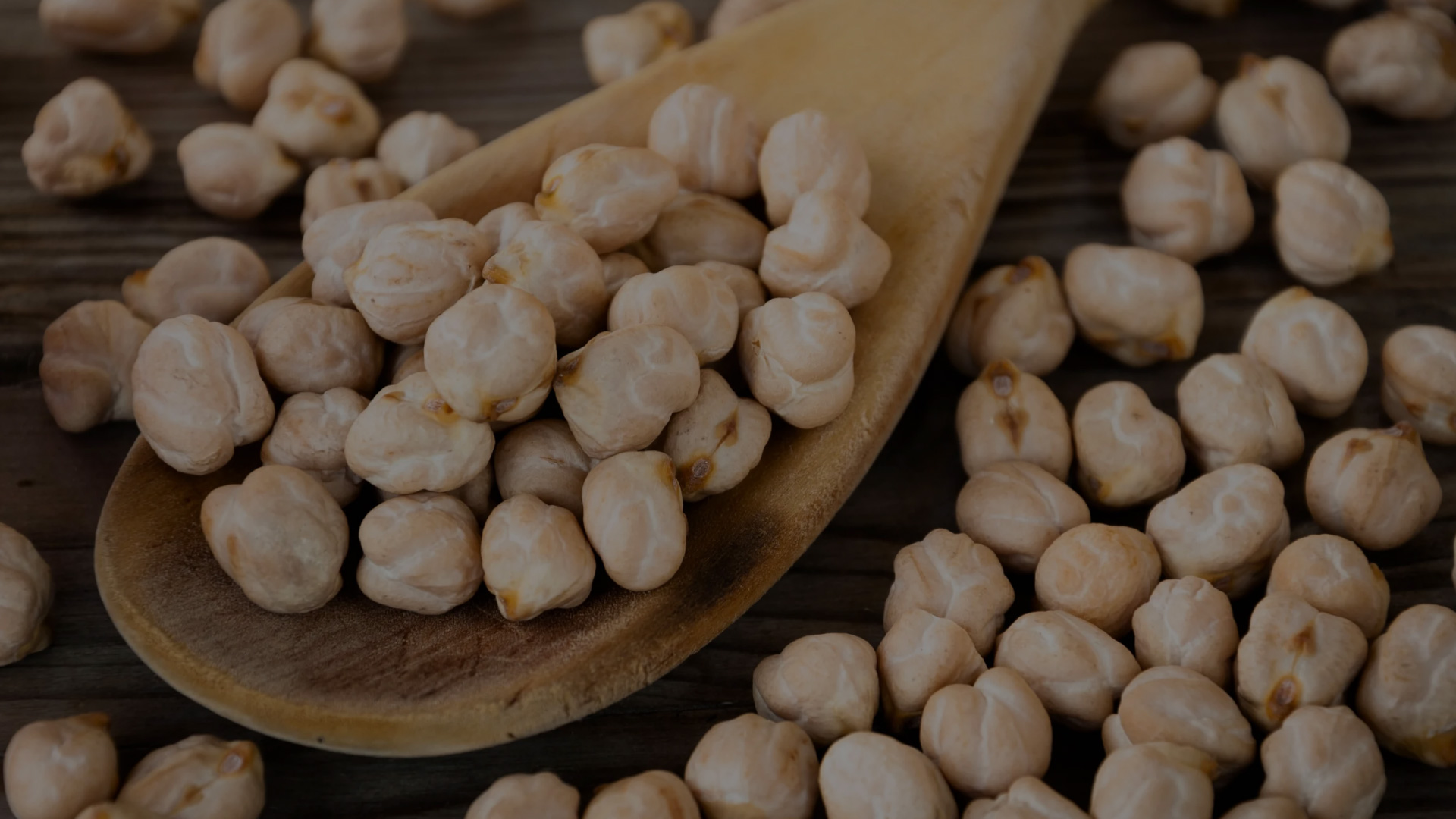
Fertilization impacts not only the quantity but also the quality of chickpeas. Proper nutrient management can lead to improved seed size, color, and flavor. Consumers prefer chickpeas with a richer taste and appealing appearance. Therefore, cultivators focused on quality should incorporate strategic fertilization into their crop management practices.
Longer Shelf Life
Fertilization also contributes to the durability of chickpeas during storage. When grown under optimal nutrient conditions, chickpeas are less prone to diseases and pests, which can lead to spoilage. This is crucial for farmers marketing their product in competitive environments, as longer shelf life translates to less waste and better profitability.