Cocoa beans, the essential ingredient for chocolate production, thrive in tropic climates characterized by consistent humidity, temperature, and rich soil. For farmers seeking to grow high-quality cocoa, understanding the fundamentals of crop cultivation and care is vital. This tropical crop requires well-drained soil, ample rainfall, and careful attention to shade and sunlight. Adequate fertility management through fertilization is a primary factor in maximizing both yield and quality. Knowing how to choose the right fertilizers can lead to improved growth rates, better flavor, and increased bean size, all crucial factors in both consumer satisfaction and profitability.
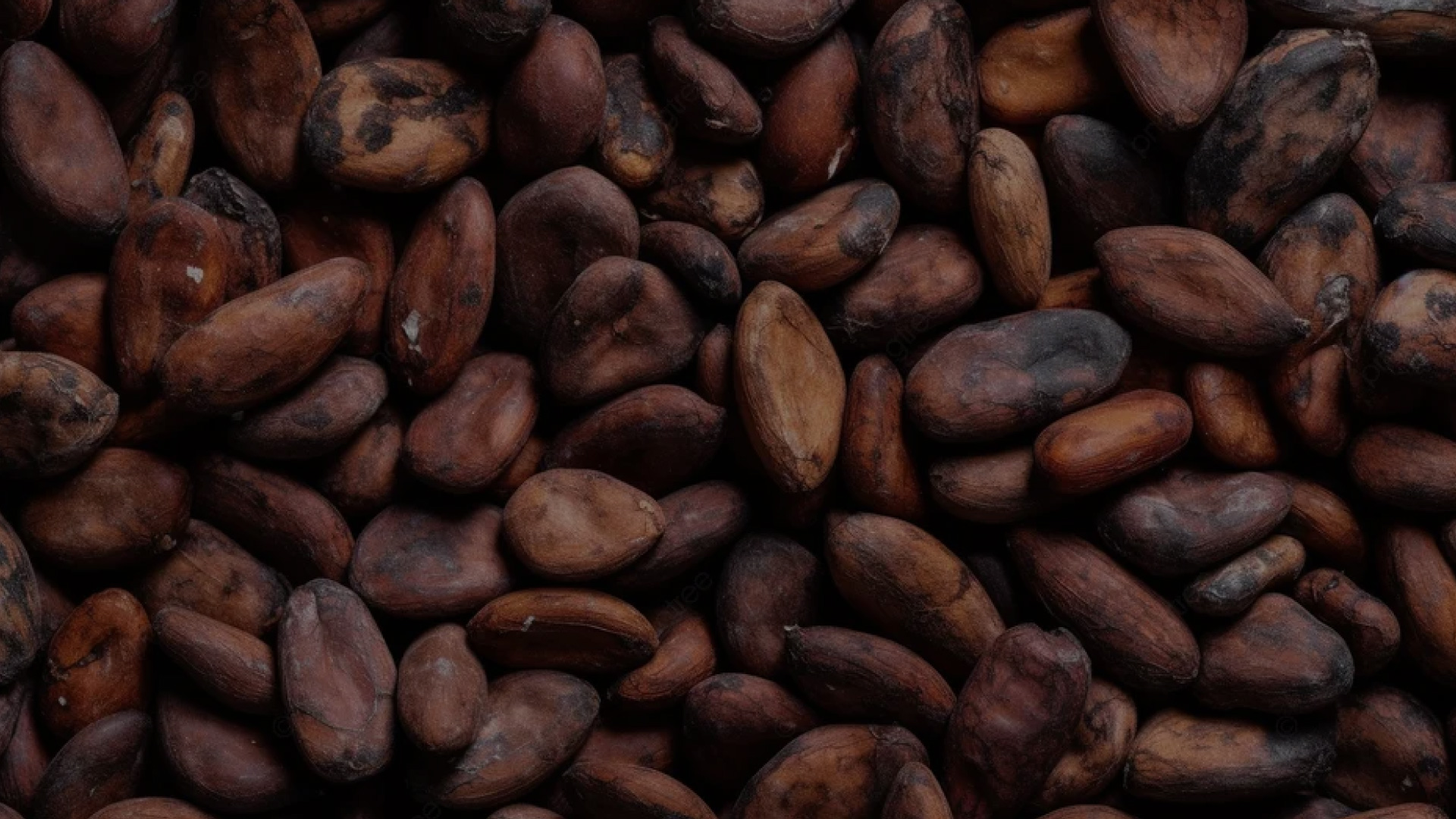
Maximizing Cocoa Bean Yield: A Comprehensive Guide to Fertilization for Optimal Growth and Quality
FAQ
How often should cocoa trees be fertilized?
Fertilization frequency depends on growth stages and soil conditions. Typically, farmers apply fertilizers three to four times a year during the growing season to ensure consistent nutrient availability.
Can I use chemical fertilizers for cocoa plantations?
Yes, chemical fertilizers can be effective. However, a balanced approach that combines chemical and organic fertilizers is often recommended to maintain long-term soil health and sustainability.
What are the signs of nutrient deficiency in cocoa trees?
Common signs include yellowing leaves (nitrogen deficiency), stunted growth (phosphorus deficiency), and poor fruit quality (potassium deficiency). Regular soil tests help prevent deficiencies before they manifest visibly.
Interesting fact
Cocoa beans originate from the cacao tree, native to the Amazon basin, and have been cultivated for over 3,000 years. The ancient Maya and Aztec civilizations prized cacao beans not only as a food source but also used them as currency for trade, demonstrating their historical value.
Understanding Cocoa Bean Growth Requirements
Cocoa trees (Theobroma cacao) are sensitive to their growing environment. They flourish in shaded areas, typically under taller trees in rainforests or plantations. The optimal growth conditions for cocoa beans include a warm, humid climate with temperatures ranging from 20°C to 32°C (68°F to 90°F) and an annual rainfall of 1,000 to 2,500 millimeters (39 to 98 inches).
Soil pH is another critical consideration. Cocoa trees prefer slightly acidic to neutral soils (pH 6.0 to 7.0) rich in organic matter and nutrients. To meet these conditions, farmers often perform regular soil testing to determine nutrient deficiencies and amend the soil accordingly.
Proper irrigation methods should also be employed to prevent water stress. Farmers may utilize drip irrigation systems to provide cocoa plants with consistent moisture levels, vital for their development. Pollution, pests, and diseases can also significantly impact cocoa production; hence, integrated pest management and disease control are essential parts of the growth strategy.
How Fertilization Affects Cocoa Plant Growth
Fertilization plays a profoundly influential role in the growth and health of cocoa beans. Core nutrients such as nitrogen, phosphorus, and potassium (commonly referred to as N-P-K) are crucial for robust plant development. Each of these elements serves specific functions:
Nitrogen (N) promotes foliage growth, making it essential for photosynthesis. Healthy leaves enhance the tree's ability to produce energy.
Phosphorus (P) is responsible for root development and flower and fruit formation. Adequate phosphorus is vital for a cocoa tree's reproductive success.
Potassium (K) aids in the overall plant health, enhancing the tree’s resistance to diseases and contributing to better flavor and size of the resulting cocoa beans.
In addition to these primary nutrients, secondary nutrients such as magnesium, calcium, and sulfur, along with trace elements like zinc and manganese, contribute to balanced growth. Each of these nutrients plays a supporting role in ensuring overall health and maximizing cocoa yields.
Selecting the right fertilizers is crucial. While chemical fertilizers can offer rapid improvements, organic options such as compost and well-rotted manure can enhance long-term soil fertility and structure. Organic fertilizers improve microbial activity in the soil, which benefits nutrient uptake. Many cocoa farmers now turn to integrated nutrient management systems that combine organic and inorganic fertilizers for optimal results.
Factors Influencing Fertilizer Choice
Choosing the right fertilizers for cocoa bean cultivation involves understanding several key factors. These include:
Soil Type and Texture: Different soils have varying nutrient-holding capacities, which can affect how fertilizers perform. Sandy soils, for instance, may require more frequent applications due to rapid leaching, while clay soils tend to retain nutrients longer.
Crop Stage: The nutritional demands of cocoa trees change as they mature. Young trees benefit most from a higher nitrogen ratio, while mature trees require a more balanced N-P-K ratio for fruiting.
Environmental Conditions: Humidity, rainfall, and temperature significantly impact nutrient availability in the soil. For instance, heavy rains can lead to nutrient leaching, necessitating a tailored fertilization strategy.
Pest and Disease Management: Fertilizers also play a role in crop resilience against pests and diseases. Properly nourished cocoa trees are less susceptible to infestations and infections, reducing overall reliance on chemical pesticides.
Economic Considerations: Farmers must also consider the cost-effectiveness of different fertilizers. Organic options may have a slower onset of benefits but can contribute to greater soil health over time.
Common Fertilization Practices for Cocoa Beans
Several fertilization practices can help cocoa farmers achieve superior results.
Soil Testing: Regularly testing the soil helps farmers determine nutrient deficits and balance fertilization strategies accordingly. Soil tests and analysis inform the specific needs of the crop.
Foliar Fertilization: Applying nutrient solutions directly to the leaves can provide immediate benefits, especially when soil conditions limit root absorption. Foliar fertilizers can enhance nutrient uptake during critical growth phases.
Slow-Release Fertilizers: These are designed to provide nutrients gradually, ensuring that the plants receive consistent nourishment over an extended period. This type of fertilizer can help mitigate fluctuations in nutrient availability and alleviate the risks of leaching.
Organic Amendments: Incorporating compost and other organic fertilizers can enrich the soil and improve its physical structure. Organic matter enhances moisture retention, contributes to microbial health, and improves nutrient cycling.
Calculate your product
Average according to FAO*
Yield*
0.0 t\ha
Weighted average cost (2023-2025)*
0.0 $\t
According to GGG testing data*
Total GG cost
0.0 $
GG input cost
0.0 $
1 person by hand: ~1-3 ha per day (depending on the norm and conditions)
Result of applying gg:
MIN
MAX
Yield increase (low / high)**, %
According to GGG testing data*
0.0
0.0
Yield*, t*
0.0
0.0
GG cost, $
0.0
0.0
GG input, $
0.0
0.0
Revenue, $
0.0
0.0
Balance, $
0.0
0.0
Disclaimer
This document is for informational and illustrative purposes only and does not constitute a public offer, investment advice, or a binding commercial proposal.
All calculations are based on assumptions and publicly available data, including but not limited to FAO and World Bank.
Actual results may vary significantly depending on local conditions, market fluctuations, and agronomic practices.
The company does not guarantee the achievement of the stated results.
Sources
FAO, World Bank, local markets / models
The method of calculating the price:
Prices are calculated based on a combination of international commodity benchmarks and country-specific adjustment coefficients.
Yield assumptions
Yield response is based on agronomic averages and may vary depending on soil, climate, and farming practices.
Limitations of the model
- does not take into account logistics
- does not take into account contracts
- does not take into account market volatility
The model is intended for indicative economic assessment only.
* Average if not according to FAO
**The size of the increase in target products against the background of the introduction of sufficient doses of NPK