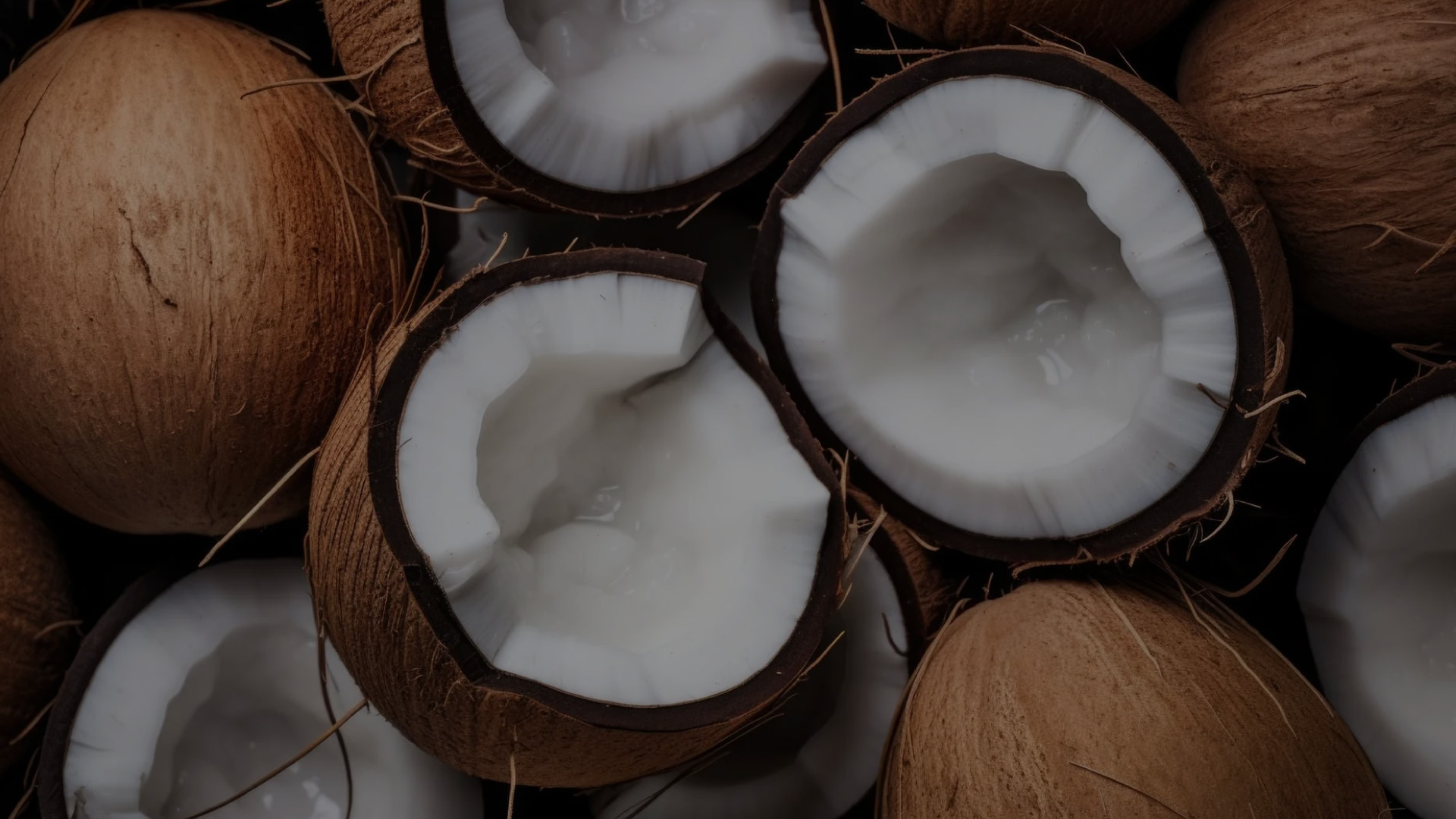
The Impact of Fertilization on Coconut Growth
Nutrient Needs of Coconut Trees
Coconut trees require a diverse range of nutrients to thrive and produce high-quality fruits. Essential nutrients can be categorized into macronutrients and micronutrients. Macronutrients include nitrogen (N), phosphorus (P), and potassium (K), which are critical for growth and fruit development. Each of these nutrients has specific functions in plant health:
Nitrogen: This nutrient is vital for vegetative growth. Nitrogen enhances leaf production, which is essential for photosynthesis. A sufficient number of healthy leaves leads to improved fruiting levels and overall yield.
Phosphorus: This nutrient plays a key role in root development, flowering, and fruit development. Phosphorus promotes the establishment of a solid root system that is necessary for nutrient uptake. Healthy roots are crucial for supporting the tree through periods of drought or nutrient deficiency.
Potassium: This nutrient enhances fruit quality and contributes to the tree’s overall strength. Potassium helps in the resistance of diseases and pests, making coconut trees more resilient. High potassium levels in coconuts also contribute to better oil content and flavor in the flesh.
In addition to these macronutrients, coconuts also require various micronutrients like magnesium, calcium, boron, and zinc. These micronutrients, though needed in smaller amounts, are important for maintaining metabolic functions and enzyme activity within the tree. Balanced fertilization ensures that all these essential nutrients are present in sufficient quantities.
Effects of Fertilization on Yield and Quality
The relationship between proper fertilization and the resultant yield and quality of coconuts cannot be overstated. Adequate nutrition leads to healthy trees that are capable of producing more fruit. Studies have shown that farms employing a well-considered fertilization strategy can achieve significantly higher yields compared to those that do not.
When coconut trees receive the right balance of nutrients, they become more productive. Enhanced growth means more coconuts per tree and, as a result, increased revenue for farmers. Moreover, well-nourished coconuts tend to have superior taste and higher oil content, which are critical for marketability. These factors play a significant role in ensuring a good return on investment.
Conversely, the absence of a proper fertilization program can lead to stunted growth, poor fruit set, and increased susceptibility to pests and diseases. Trees that lack necessary nutrients may experience episodes of fruit drop, leading to lower harvest volumes and overall quality.
Selecting the Right Fertilizer
While it's essential to understand the nutrient needs of coconut trees, it’s just as important to choose the right fertilizers. Not all fertilizers are created equal, and the choice can greatly influence the efficacy of your nutrient regimen.
Organic fertilizers, such as compost or manure, are excellent for improving soil structure and enhancing microbial activity. However, they may not provide immediate nutrient availability, which is crucial during specific growth phases. When immediate nutrient availability is required, synthetic fertilizers may be more suitable. These typically offer a faster response since they provide nutrients that are readily absorbable by plants.
Integrated nutrient management, which combines both organic and inorganic fertilizers, often yields the best results. This holistic approach ensures that the coconut trees receive both instant nutrient supply while also benefiting from the long-term improvements to soil health provided by organic materials.
It is also advised to conduct soil tests prior to the implementation of a fertilization plan. Soil testing provides vital information regarding nutrient levels and pH, allowing for a tailored approach that ensures the right amounts of each nutrient are supplied based on existing soil conditions.