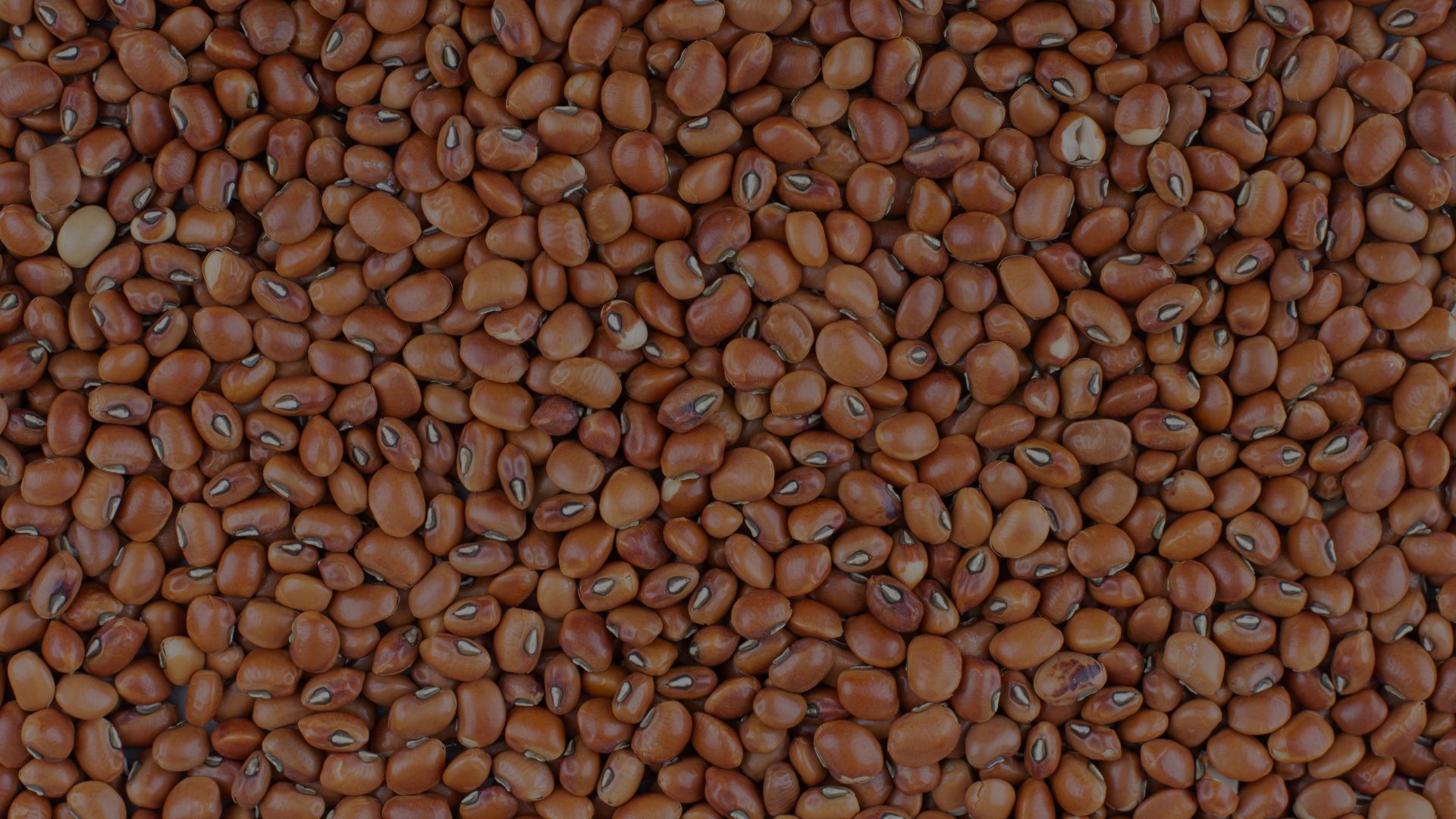
Cow peas, dry

Maximizing Cow Pea Yield: The Role of Fertilization in Achieving Quality and Quantity

Cow peas (Vigna unguiculata), popularly known for their versatility in culinary uses and agricultural benefits, are a staple legume in many regions, particularly in Africa and Asia. This crop is not only enriching in flavor but also boasts several health benefits. To cultivate high-quality cow peas, understanding their growing and care requirements is essential. These legumes thrive in well-drained soil with a pH ranging from 5.5 to 7.0 and require a warm climate, typically growing best where temperatures reach 20-30°C. Proper irrigation practices are crucial, especially during the flowering and pod-filling stages, as cow peas are moderately drought-tolerant but sensitive to excessive moisture.

The choice of fertilizers also plays a vital role in achieving healthy growth for cow peas. The right nutritional balance can significantly influence their yield, taste, size, and overall quality. As we delve deeper into the impact of fertilization, it becomes evident that selecting suitable fertilizers is instrumental in maximizing both yield and consumer characteristics of cow peas.

More info for Cow peas, dry
FAQ
What is the best fertilizer for cow peas?
A balanced N-P-K fertilizer with a higher phosphorus content is ideal for cow peas, especially during their early growth stages. Organic options like well-rotted manure can also be beneficial for improving soil health.
How often should I fertilize cow peas?
Fertilization frequency depends on soil conditions and fertilizer type. Initially, apply a starter fertilizer, then consider side-dressing with additional nutrients during the growing season, especially when plants show signs of nutrient deficiency.
Can cow peas grow without fertilizers?
While cow peas can fix their nitrogen, they may not achieve optimal yields or taste without additional nutrients like phosphorus and potassium. Fertilizers help achieve the best results in both yield and quality.
Interesting fact

Cow peas are not just a nutritious food source; they are also excellent cover crops. Their ability to improve soil structure and fertility makes them a favorite among sustainable agricultural practices. They can help reduce soil erosion and enhance biodiversity, making them an environmentally friendly choice for farmers.

The Importance of Proper Fertilization on Cow Peas Growth
Fertilization is a critical aspect of modern agriculture, determining not only how robustly plants grow but also the final product quality. Cow peas fix nitrogen in the soil through a symbiotic relationship with certain bacteria, thus improving soil fertility. However, even legumes like cow peas benefit immensely from additional nutrients, which can enhance their yield and overall crop value.

Nutritional Needs of Cow Peas
Cow peas require various macronutrients and micronutrients to thrive. While they are capable of fixing nitrogen, soil levels of phosphorus and potassium are equally crucial. Phosphorus is vital for root development and flowering, thus directly influencing yield. Potassium contributes to the plant’s overall health, enhancing resistance to diseases and drought.

Applying fertilizers that contain these nutrients aids in achieving optimal growth conditions. For instance, a balanced fertilizer with N-P-K (Nitrogen-Phosphorus-Potassium) ratios can significantly boost cow pea yield. Research has shown that optimal fertilization can increase cow pea yields by up to 30% compared to unfertilized crops.

Tailoring Fertilization to Local Conditions
Different regions possess different soil types, climate characteristics, and water availability, making it essential to customize fertilization strategies. Conducting soil tests to analyze nutrient deficiencies can guide farmers in choosing the right types and amounts of fertilizers. For instance, sandy soils may require more frequent applications of nutrients due to leaching, while clay soils might retain nutrients better but may face drainage issues.

In areas with a history of successful cow pea cultivation, local agronomic advice can further refine fertilization practices, ensuring farmers receive the maximum return on their investments. Following precision agriculture techniques—applying fertilizers based on soil needs and crop requirements—can lead to significant improvements in yield and product quality.

Understanding the Effects of Fertilizer on Cow Peas
The type of fertilizer used also significantly impacts cow peas' taste, size, and shelf life. Different fertilizers will lead to different nutrient uptake patterns, revealing the importance of selecting the appropriate product.

Organic vs. Synthetic Fertilizers
Organic fertilizers, such as compost and well-rotted manure, offer several long-term benefits, including improved soil structure and enhanced microbial activity. These factors contribute to healthy root systems and can lead to better-tasting and more nutritious cow peas.

Conversely, synthetic fertilizers can provide immediate nutrient availability, which is crucial for a young crop's rapid growth phases. These fertilizers can lead to increased yields but may sometimes affect the taste profile negatively due to intense nutrient concentration.

Farmers must balance immediate yield needs with long-term sustainability, considering both organic and inorganic options. For optimal results, many farmers employ a mixed approach that combines the benefits of both types of fertilizers.

Timing of Fertilization
The timing of fertilizer applications is just as important as the type of fertilizer. Applying the right nutrients at the right growth stage can enhance the development of cow peas significantly. For instance, a starter fertilizer high in phosphorus during the early growth phase can facilitate better root development, while nitrogen-rich fertilizers can be beneficial during the flowering stage, promoting pod development.

Moreover, foliar applications of micronutrients can help treat deficiency symptoms that may arise during critical growth periods, ensuring that cow peas reach their full potential.
Calculate your product
Average according to FAO*
Yield*
0.0 t\ha
Weighted average cost (2023-2025)*
0.0 $\t
According to GGG testing data*
Total GG cost
0.0 $
GG input cost
0.0 $
1 person by hand: ~1-3 ha per day (depending on the norm and conditions)
Result of applying gg:
MIN
MAX
Yield increase (low / high)**, %
According to GGG testing data*
0.0
0.0
Yield*, t*
0.0
0.0
GG cost, $
0.0
0.0
GG input, $
0.0
0.0
Revenue, $
0.0
0.0
Balance, $
0.0
0.0
Net profit, $
0.0
0.0
Net profit, $/ha
0.0
0.0
roi
0.0
0.0
Disclaimer

This document is for informational and illustrative purposes only and does not constitute a public offer, investment advice, or a binding commercial proposal.

All calculations are based on assumptions and publicly available data, including but not limited to FAO and World Bank.

Actual results may vary significantly depending on local conditions, market fluctuations, and agronomic practices.

The company does not guarantee the achievement of the stated results.

Sources

FAO, World Bank, local markets / models

The method of calculating the price:

Prices are calculated based on a combination of international commodity benchmarks and country-specific adjustment coefficients.

Yield assumptions

Yield response is based on agronomic averages and may vary depending on soil, climate, and farming practices.

Limitations of the model

- does not take into account logistics

- does not take into account contracts

- does not take into account market volatility

The model is intended for indicative economic assessment only.
* Average if not according to FAO
**The size of the increase in target products against the background of the introduction of sufficient doses of NPK