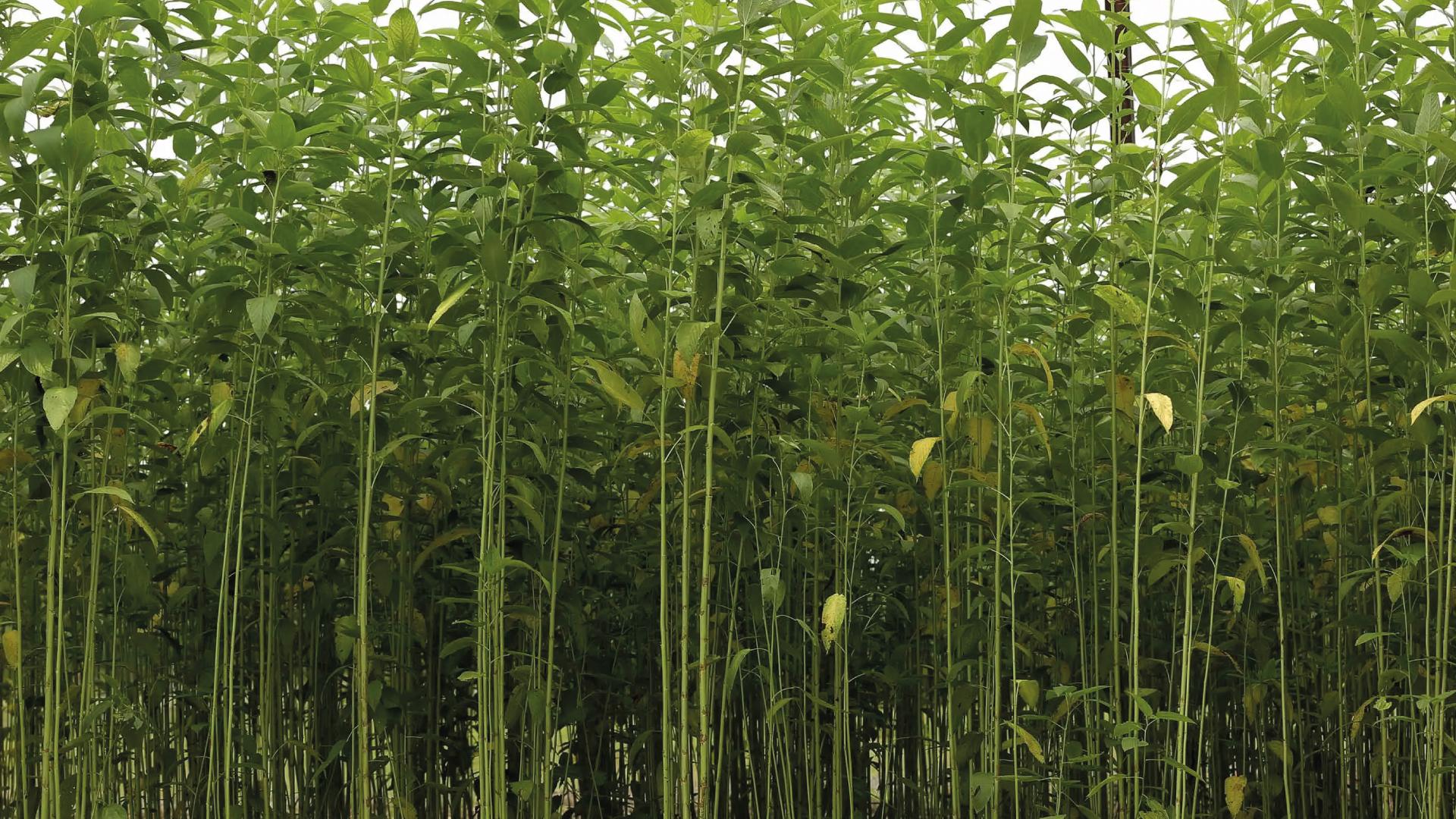
The Role of Fertilization in Jute Growth
Fertilizers supply essential nutrients that support plant growth. For jute, the primary nutrients required are nitrogen (N), phosphorus (P), and potassium (K), commonly referred to as NPK. Each of these nutrients plays a critical role in plant development:
Nitrogen: Vital for promoting leaf and stem growth, nitrogen enhances photosynthesis, leading to improved growth and higher fiber yield. Insufficient nitrogen can lead to stunted growth and reduced leaf area, negatively affecting yield and fiber quality.
Phosphorus: This nutrient is crucial for root development and early plant growth. It plays an integral role in energy transfer and is essential for flower and seed development. Adequate phosphorus facilitates better crop establishment and accelerates maturation.
Potassium: Important for overall plant health, potassium contributes to drought resistance, disease resistance, and improved fiber quality. It enhances the transport of sugars, leading to better quality fibers and higher yields.
Incorporating balanced fertilizers tailored to specific soil conditions can significantly enhance jute crop yields. Soil testing is crucial to determine nutrient deficiencies and pH levels. Based on these results, farmers can choose the most appropriate fertilizers. For example, organic fertilizers, such as compost and manure, improve soil health and structure while providing essential nutrients.
Selecting the Right Fertilizers for Maximum Yield
Choosing the right fertilizers involves understanding the specific requirements of the jute plant and the soil's nutrient profile. Here are some strategies for effective fertilization:
Soil Testing: Conducting regular soil tests helps farmers identify nutrient deficiencies and make informed decisions about fertilizer application. This practice prevents over-fertilization and minimizes environmental impact.
Fertilizer Formulation: Using complex or compound fertilizers can provide a balanced nutritional profile. Many farmers choose NPK fertilizers, which are specially formulated to cater to the needs of jute plants.
Application Timing: Timing is everything when it comes to fertilizer application. The optimal times for fertilization are at planting and during the vegetative stage. Early application supports initial growth, while mid-season application stimulates fiber development.
Organic Fertilizers: Using organic matter, such as farmyard manure or compost, not only provides nutrients but also improves soil health. Organic fertilizers enhance microbial activity, which is beneficial for nutrient availability.
Controlled Release Fertilizers: These fertilizers release nutrients gradually, providing a steady supply of essential elements to the plant. This approach reduces the risk of nutrient leaching and promotes healthy growth.
By effectively applying the right fertilizers, jute farmers can achieve significant improvements in yield, fiber length, and quality, ultimately leading to increased profitability and sustainability in jute cultivation.