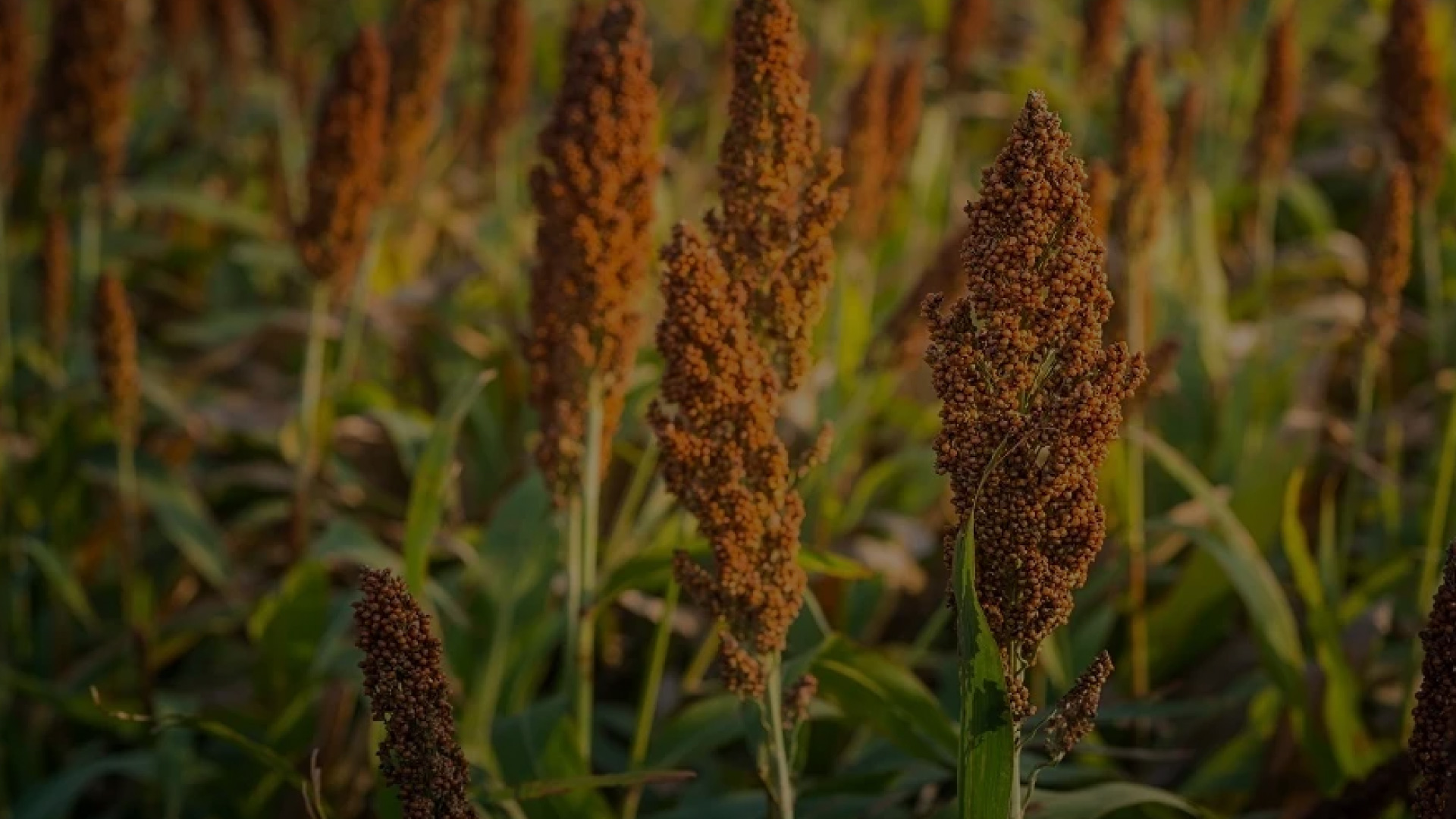
The Impact of Fertilization on Millet Growth
Fertilization significantly influences millet’s growth, yield, and overall quality. Nutrient availability is key; millet, like all crops, depends on essential macronutrients—nitrogen (N), phosphorus (P), and potassium (K)—as well as micronutrients that support various physiological functions. A well-balanced fertilizer regimen can promote a robust root system, enable timely flowering, and ensure that the grains develop properly.
Optimizing Nutrient Availability
One of the fundamental reasons for fertilization is to optimize nutrient availability. Nitrogen is particularly critical as it directly affects vegetative growth, promoting leaf development and enabling the plant to perform photosynthesis efficiently. A deficiency in nitrogen can lead to stunted growth and reduced yields. Phosphorus promotes strong root systems, enhancing the plant's ability to access water and nutrients in the soil. Potassium, on the other hand, is crucial for overall plant health, influencing water regulation, enzyme activation, and disease resistance.
Soil testing is an essential first step in this process. By analyzing soil samples for nutrient content, pH levels, and organic matter, farmers can make informed decisions about which fertilizers to apply. Typically, a combination of organic and inorganic fertilizers yields the best results. Organic fertilizers, such as compost and manure, not only provide nutrients but also improve soil structure and water retention, leading to healthier millet plants.
Timing and Application Techniques
The timing and method of fertilizer application are as important as the choice of fertilizer itself. Applying too early or too late can lead to nutrient loss or reduced effectiveness. Research indicates that a split application method—applying a portion of the fertilizer at planting and the remainder during key growth stages—can optimize nutrient uptake, enhancing yield.
Foliar feeding, where nutrients are directly applied to the leaves, is also an effective technique to address micronutrient deficiencies quickly. This method allows for prompt absorption, particularly vital during critical growth phases such as flowering and grain filling.
Choosing the Right Fertilizers
When it comes to selecting fertilizers for millet, it’s essential to consider both the nutrient requirements of the crop and the existing nutrient profile of the soil. A general recommendation is to use N-P-K fertilizers in a balanced ratio; however, the specific ratios may vary based on soil test results. For instance, soil high in phosphorus may require less P in the fertilizer mix.
Moreover, slow-release fertilizers can be particularly advantageous for millet farming, as they provide nutrients over an extended period, reducing the frequency of application and minimizing the risk of over-fertilization. Incorporating biofertilizers may also be beneficial, as they enhance soil fertility and crop yield through the promotion of beneficial microbial activity. These fertilizers can release nutrients naturally and improve the availability of existing soil nutrients.
Organic vs. Inorganic Fertilizers
The debate between organic and inorganic fertilizers continues in the agricultural sector. Organic fertilizers improve soil health over time, providing a slow nutrient release that accommodates the growing millet plants' needs. They support biodiversity and improve the overall agronomic and ecological health of the farm.
In contrast, inorganic fertilizers, while fast-acting, can lead to nutrient runoff and soil degradation if overused. Therefore, striking a balance between these two types is critical for sustainable farming practices that not only maximize yield but also safeguard the environment.