The oil palm, scientifically known as Elaeis guineensis, is one of the most significant crops globally, primarily cultivated for palm oil production. This crop thrives in tropical climates, requiring specific conditions to flourish. Key growth requirements include ample sunlight, high humidity, and well-draining soil rich in organic matter. Cultivators must monitor water supply and maintain proper spacing between plants to ensure good air circulation, which contributes to good yield. Achieving the desired yield is not merely a result of good climatic conditions; it critically hinges on appropriate fertilization practices as well.
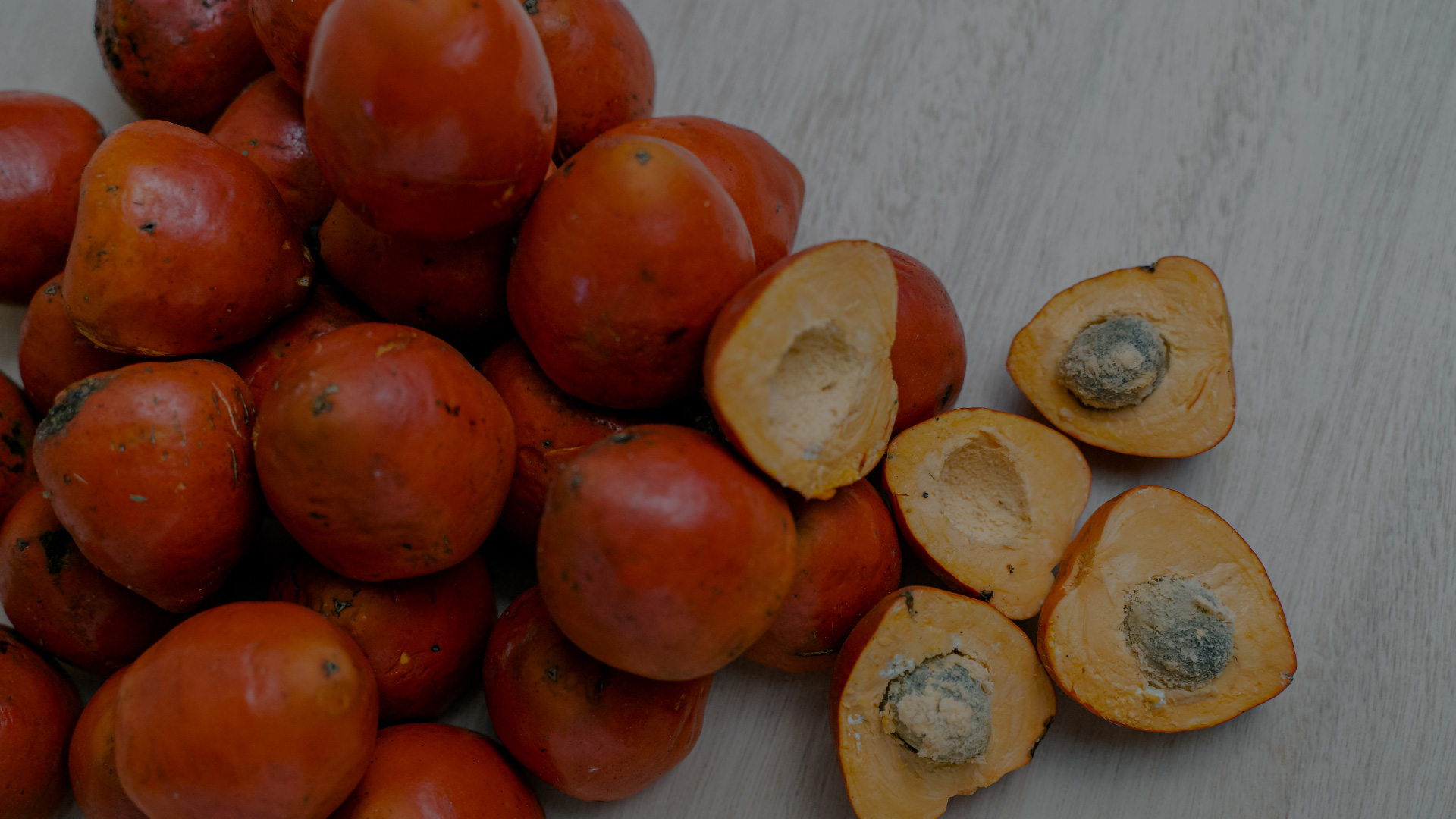
Maximizing Oil Palm Yield: The Impact of Fertilization on Fruit Quality and Quantity
FAQ
What are the best fertilizers for oil palm cultivation?
The best fertilizers for oil palm are those that contain balanced amounts of nitrogen, phosphorus, potassium, and necessary micronutrients. Slow-release fertilizers are often recommended for sustained nutrient availability.
How often should fertilizers be applied to oil palms?
Fertilizers should be applied at least twice a year, ideally during the wet seasons when nutrient uptake is highest. It is best to conduct soil tests to optimize the timing and quantity of applications.
Can organic fertilizers be used for oil palms?
Yes, organic fertilizers can be used and are beneficial as they improve soil structure and microbial activity. They can be used in conjunction with synthetic fertilizers for enhanced results.
Interesting fact
Did you know that the oil palm tree can produce fruit for up to 30 years? This long productive life makes it an appealing choice for commercial plantations, providing a sustainable source of palm oil over decades.
Understanding the Growth Needs of Oil Palm
Oil palms typically take around three to four years to bear fruit, with peak production occurring in subsequent years. During this growth period, the plants require a comprehensive nutrient supply to support their physiological processes. Essential nutrients include nitrogen, phosphorus, potassium, and micronutrients such as magnesium and calcium. Each of these plays a vital role in different stages of the plant's life cycle, including leaf production, fruit development, and disease resistance.
To maximize the potential output of the oil palm, understanding its nutrient requirements is crucial. Plant nutrient deficiencies can lead to stunted growth, reduced fruit size, and a decline in oil quality. Therefore, it is imperative that growers remain vigilant about applying the right fertilizers at the right time and in optimal quantities.
The Role of Proper Fertilization in Enhancing Oil Palm Yield
Fertilization impacts several characteristics of oil palms, including yield, fruit quality, and plant health. Let’s delve deeper into how specific fertilizers can enhance these characteristics.
Yield Improvement Through Fertilization
One of the most significant benefits of using fertilizers is the enhancement of yield. Fertilizers supply essential nutrients that the soil may lack, which directly translates to increased fruit production. For instance, nitrogen is paramount for vegetative growth and contributes to the development of robust leaf structures that can support higher fruit yield. Adequate potassium levels are equally important, as this nutrient improves fruit size and quality.
Research shows that oil palms that receive balanced fertilizer applications can increase their yield by up to 30% compared to those that are under-fertilized. Using slow-release fertilizers can also ensure that nutrients are available to the plants over an extended period, thereby sustaining high growth rates and fruit production throughout the growing season.
Enhancing Fruit Quality
Proper fertilization does not only focus on the quantity of the yield but also significantly improves the quality of the fruit. The nutrient composition of fertilizers can influence factors such as oil content, taste, color, and shelf life of the oil palm fruit.
For example, phosphorus is known to enhance the oil content in the palm fruit, leading to higher productivity. Furthermore, micronutrients like zinc and manganese play a critical role in fruit development, improving overall fruit health and storage capabilities. Quality fruit not only attracts better prices in the market but also meets the increasing consumer demand for high-grade palm oil products.
Disease Resistance and Plant Health
Maintaining plant health is essential for long-term productivity. Well-nourished oil palms have better resistance to diseases and pests. Incorporating fertilizers that contain beneficial microbes can enhance soil health by promoting the growth of a robust root system, allowing palms to absorb water and nutrients more effectively.
Additionally, applying foliar fertilizers can provide an immediate nutrient boost, especially during the critical flowering and fruiting stages. This strategy can encourage stronger defensive responses against potential diseases, ensuring the palms remain healthy and productive.
Choosing the Right Fertilizers
With numerous product options available, selecting the right fertilizers for oil palm cultivation can be complex. Several factors need to be considered:
Soil Testing
The first step in choosing fertilizers is to conduct a thorough soil test. This analysis will identify nutrient deficiencies and help tailor fertilizer applications to meet the specific needs of the soil and the plants. Based on the soil test results, growers can make informed decisions, ensuring that they only apply fertilizers that will enhance oil palm growth without the risk of over-fertilization, which can lead to nutrient runoff and environmental issues.
Balanced Nutrient Application
A well-balanced fertilizer program takes into account the specific needs of the oil palm at different growth stages. For instance, young palms require higher nitrogen levels for vegetative growth, while older palms may benefit from increased potassium levels to enhance fruit development.
Moreover, adopting a blend of organic and inorganic fertilizers can promote sustainable farming practices. Organic fertilizers improve soil health in the long run, whereas inorganic fertilizers provide quick nutrient availability. Combining the two can ensure optimum growth, sustainability, and yield.
Calculate your product
Average according to FAO*
Yield*
0.0 t\ha
Weighted average cost (2023-2025)*
0.0 $\t
According to GGG testing data*
Total GG cost
0.0 $
GG input cost
0.0 $
1 person by hand: ~1-3 ha per day (depending on the norm and conditions)
Result of applying gg:
MIN
MAX
Yield increase (low / high)**, %
According to GGG testing data*
0.0
0.0
Yield*, t*
0.0
0.0
GG cost, $
0.0
0.0
GG input, $
0.0
0.0
Revenue, $
0.0
0.0
Balance, $
0.0
0.0
Disclaimer
This document is for informational and illustrative purposes only and does not constitute a public offer, investment advice, or a binding commercial proposal.
All calculations are based on assumptions and publicly available data, including but not limited to FAO and World Bank.
Actual results may vary significantly depending on local conditions, market fluctuations, and agronomic practices.
The company does not guarantee the achievement of the stated results.
Sources
FAO, World Bank, local markets / models
The method of calculating the price:
Prices are calculated based on a combination of international commodity benchmarks and country-specific adjustment coefficients.
Yield assumptions
Yield response is based on agronomic averages and may vary depending on soil, climate, and farming practices.
Limitations of the model
- does not take into account logistics
- does not take into account contracts
- does not take into account market volatility
The model is intended for indicative economic assessment only.
* Average if not according to FAO
**The size of the increase in target products against the background of the introduction of sufficient doses of NPK