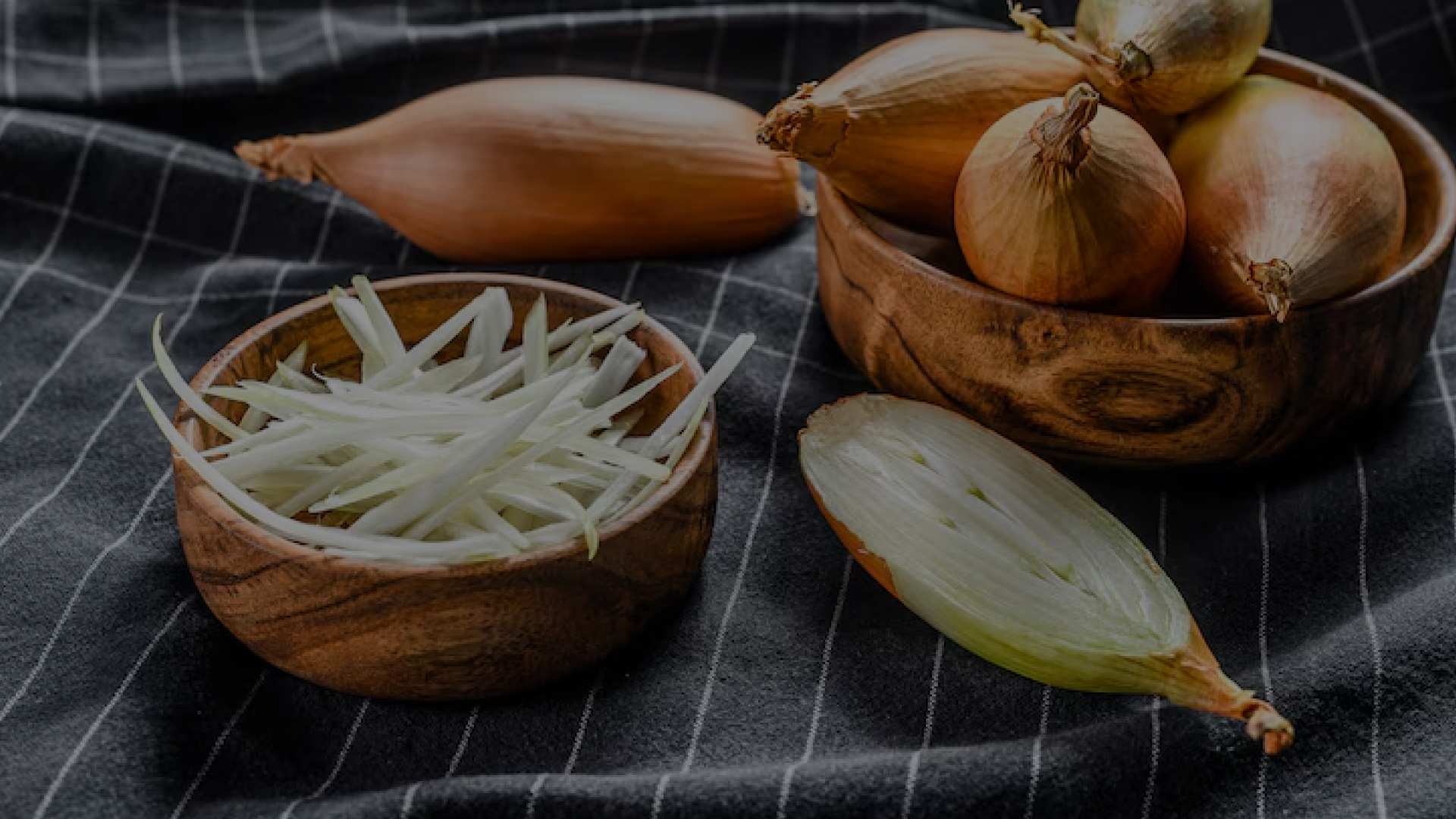
Understanding Onions and Shallots
Key Growing Conditions
Onions (Allium cepa) and shallots (Allium ascalonicum) thrive in well-drained, fertile soils with a pH ranging from 6.0 to 7.0. They prefer full sunlight and require a growing season of about 90 to 120 days, depending on the variety. Shallots typically mature faster than onions, making them suitable for earlier harvests. Regular watering is crucial; however, overwatering can lead to rot, emphasizing the need for balanced irrigation practices.
Nutrient Requirements
Both onions and shallots are heavy feeders, meaning they require substantial amounts of nutrients throughout their growing stages. Essential nutrients include nitrogen, phosphorus, potassium, calcium, and magnesium. Nitrogen is particularly important for green growth, phosphorus aids in root development, and potassium enhances overall plant health and resistance to diseases.
The Role of Fertilization in Crop Quality and Yield
Enhancing Growth and Size
Proper fertilization is key to promoting robust growth and optimal bulb size. When plants receive adequate nutrients, they are more likely to develop strong roots, which absorb water and additional nutrients from the soil. For instance, nitrogen promotes leafy growth, which is essential for photosynthesis. More foliage means more energy, resulting in larger and healthier bulbs.
To achieve the best results, consider using fertilizers high in nitrogen during the early growth stages. As the bulbs begin to form, switching to fertilizers rich in potassium and phosphorus will help enhance bulb quality and size. This method ensures that the plants are well-fed throughout their growth cycle.
Improving Flavor and Shelf Life
The flavor of onions and shallots is influenced not only by their variety but also by their growing conditions and nutrient availability. Adequate potassium in particular contributes to better flavor profiles by regulating various plant physiological processes, including those responsible for the flavor compounds in onions.
Moreover, the quality of fertilizers impacts not just immediate growth but also the shelf life of the harvested bulbs. Fertilizers that promote strong, healthy plants can result in bulbs that are less susceptible to disease, thereby extending their storage life post-harvest.
Preventing Nutrient Deficiency
Fertilization is critical in preventing nutrient deficiencies that can compromise onion and shallot quality. Deficiencies in essential nutrients can lead to poor growth, smaller bulb size, and even greater susceptibility to pests and diseases. Symptoms of nutrient deficiency include yellowing leaves, stunted growth, and rot. To combat these issues, regular soil testing and the application of balanced fertilizers are essential practices for growers seeking to maximize their yields.
Choosing the Right Fertilizer
Types of Fertilizers
When selecting fertilizers for onions and shallots, it’s essential to consider whether to use organic or synthetic options. Organic fertilizers, such as compost and manure, improve soil structure and increase microbial activity. They release nutrients slowly, providing a steady supply for the plants. On the other hand, synthetic fertilizers offer immediate nutrition, which can be beneficial for fast-paced growth.
Consider slow-release or controlled-release fertilizers, especially for long-term crops like onions and shallots. These types of fertilizers provide nutrients over time, reducing the risk of runoff and ensuring that the plants receive a consistent supply of essential nutrients throughout their growth cycle.
Application Rates and Timing
Timing and application rates are just as important as the type of fertilizer chosen. During the early development stages, a higher nitrogen fertilizer can be applied, but the dosage should be carefully monitored to avoid burning the plants. As the crop develops, gradually shift to phosphorus and potassium-rich fertilizers to facilitate proper bulb formation. Application rates based on soil tests can help farmers avoid over-fertilization, which can lead to adverse environmental effects and wasted resources.