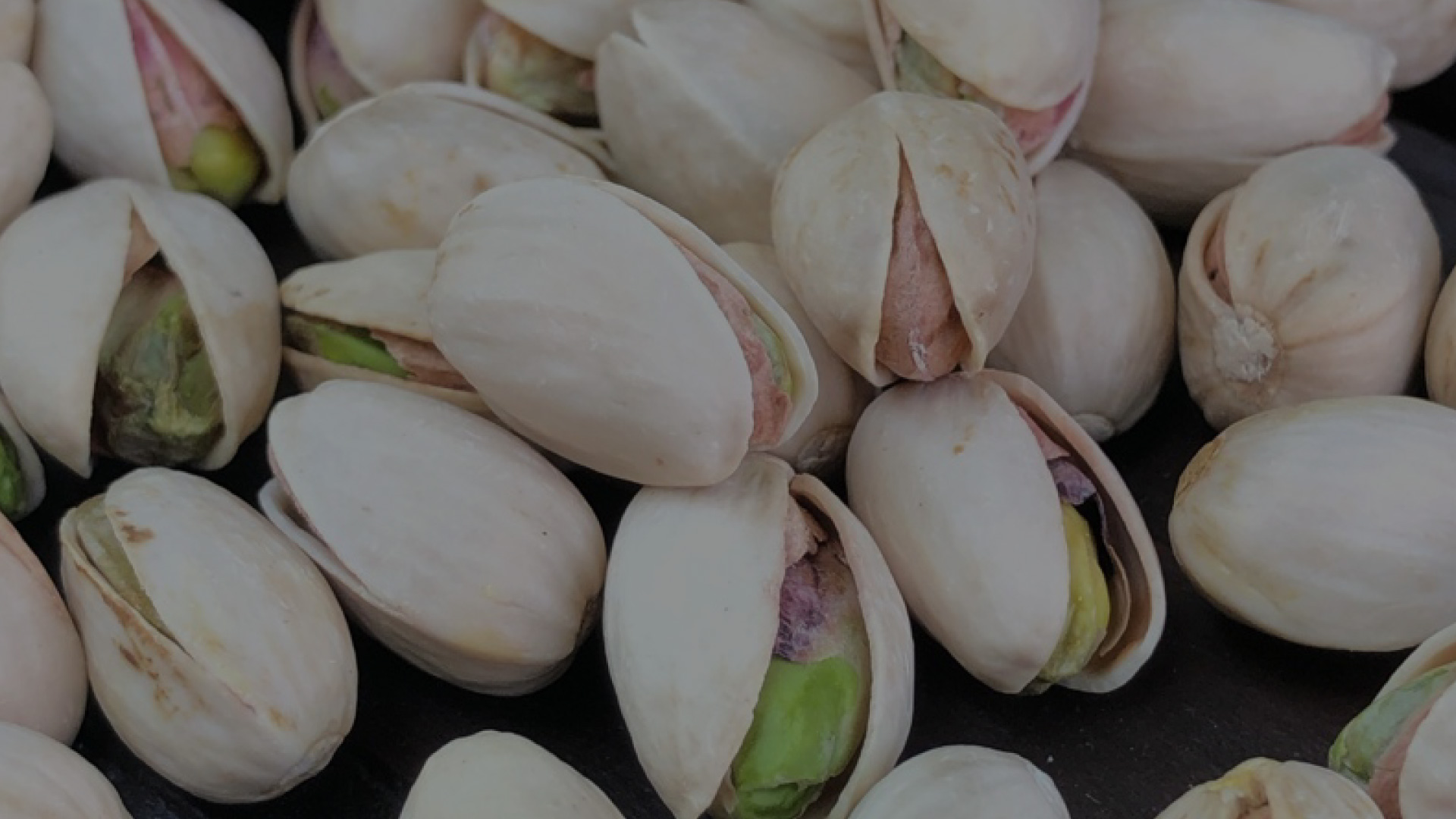
Pistachios, in shell

Enhancing Pistachio Yield and Quality: The Importance of Proper Fertilization

Pistachios, known for their delightful flavor and nutritional benefits, are a beloved nut enjoyed worldwide. The successful cultivation of pistachios requires a deep understanding of their growth habits, environmental conditions, and specific care requirements. For optimal results, growers must focus on the essential factors that influence yield and quality. These factors include proper irrigation, pest control, and especially fertilization. This article will delve into how effective fertilization strategies can significantly impact the yield, taste, and size of pistachios, ultimately enhancing the economic viability of pistachio farming.

Pistachio trees thrive in warm, arid climates and require well-drained soils with a pH level between 7.0 and 8.0. They are sensitive to environmental conditions; hence, careful management of water and nutrients is crucial throughout their growth cycle. Understanding the specific nutrient needs of pistachios at various growth stages is fundamental for achieving maximum yield. Effective fertilization not only ensures healthy tree growth but also enhances the nut's flavor and shelf life, making them more appealing to consumers and improving marketability.

More info for Pistachios, in shell
FAQ
How often should I fertilize my pistachio trees?
It is recommended to apply fertilizers at least once in early spring, with potential follow-up applications based on soil test results and the growth stage of the trees.
What are the signs of nutrient deficiency in pistachio trees?
Common signs include yellowing of leaves (nitrogen deficiency), poor fruit development (potassium deficiency), and weak root systems (phosphorus deficiency).
Can organic fertilizers be used in pistachio farming?
Yes, organic fertilizers can be beneficial for pistachio farming, improving soil health and providing slow-release nutrients. However, careful management is necessary to meet the trees' nutrient needs effectively.
Interesting fact

Did you know that pistachios are one of the oldest cultivated nuts in the world? Evidence suggests that they have been cultivated for over 9,000 years, with their origins traced back to the Middle East and Central Asia. Their long history makes them not only a delicious snack but also a part of human agricultural heritage.

The Impact of Proper Fertilization on Pistachio Growth

Nutrient Requirements of Pistachio Trees
The key to optimizing pistachio production lies in meeting the distinct nutritional demands of the trees. Essential nutrients include nitrogen, phosphorus, potassium, calcium, magnesium, and trace minerals. Nitrogen is particularly critical during the vegetative phase, supporting leaf growth and overall tree health. A balanced fertilizer approach is essential; too much nitrogen can lead to excessive vegetative growth at the expense of fruit yield, while too little can hinder tree development.

Phosphorus plays a crucial role in root development and flowering, while potassium is vital for nut quality, enhancing taste, size, and ultimately increasing yield. Calcium contributes to cell wall strength and is essential for nut development, while magnesium is necessary for photosynthesis and overall plant vigor. Trace minerals, though required in smaller quantities, are equally important for specific physiological processes.

Timing and Application of Fertilizers
The timing of fertilizer application is just as important as the nutrients used. Pistachio growers should conduct soil tests to determine nutrient levels and pH before providing fertilization. Early spring is an ideal time to apply fertilizers, just before or during the tree's active growing season. Split applications — offering fertilizers multiple times throughout the growing season — can also be effective as they align with the trees’ evolving nutrient needs.

Moreover, understanding the method of application is critical. Foliar feeding can be beneficial for quickly addressing deficiencies and supporting tree health during the growing season. However, soil-based fertilization remains the most effective method for building nutrient reserves in the long term, promoting robust growth.

The Role of Organic vs. Synthetic Fertilizers
Both organic and synthetic fertilizers can play a role in pistachio cultivation. Organic fertilizers, like compost or well-rotted manure, improve soil structure, enhance microbial activity, and provide a slow release of nutrients, contributing to a healthier soil ecosystem. They are particularly beneficial for long-term orchard health and sustainability.

Conversely, synthetic fertilizers provide a precise nutrient composition, allowing growers to target specific deficiencies quickly. The challenge lies in balancing the use of these fertilizers to prevent nutrient runoff and environmental damage while ensuring the trees receive adequate nutrition.

Incorporating practices such as cover cropping or intercropping can also enhance soil fertility and reduce the dependency on chemical fertilizers. These practices not only improve nutrient availability but also contribute to a more sustainable and environmentally friendly farming practice.
Calculate your product
Average according to FAO*
Yield*
0.0 t\ha
Weighted average cost (2023-2025)*
0.0 $\t
According to GGG testing data*
Total GG cost
0.0 $
GG input cost
0.0 $
1 person by hand: ~1-3 ha per day (depending on the norm and conditions)
Result of applying gg:
MIN
MAX
Yield increase (low / high)**, %
According to GGG testing data*
0.0
0.0
Yield*, t*
0.0
0.0
GG cost, $
0.0
0.0
GG input, $
0.0
0.0
Revenue, $
0.0
0.0
Balance, $
0.0
0.0
Net profit, $
0.0
0.0
Net profit, $/ha
0.0
0.0
roi
0.0
0.0
Disclaimer

This document is for informational and illustrative purposes only and does not constitute a public offer, investment advice, or a binding commercial proposal.

All calculations are based on assumptions and publicly available data, including but not limited to FAO and World Bank.

Actual results may vary significantly depending on local conditions, market fluctuations, and agronomic practices.

The company does not guarantee the achievement of the stated results.

Sources

FAO, World Bank, local markets / models

The method of calculating the price:

Prices are calculated based on a combination of international commodity benchmarks and country-specific adjustment coefficients.

Yield assumptions

Yield response is based on agronomic averages and may vary depending on soil, climate, and farming practices.

Limitations of the model

- does not take into account logistics

- does not take into account contracts

- does not take into account market volatility

The model is intended for indicative economic assessment only.
* Average if not according to FAO
**The size of the increase in target products against the background of the introduction of sufficient doses of NPK