Rice is one of the world's most vital food crops, serving as a primary staple for more than half of the global population. Cultivating rice requires a careful balance of water, soil quality, and nutrient management to ensure healthy growth and high yields. Key growing requirements include proper land preparation, adequate water management, and appropriate fertilization. Fertilization plays a critical role in rice production, influencing not just the quantity of the harvest, but also the quality of the grains. This article explores the importance of proper fertilization in rice cultivation, how it affects plant growth, and why selecting the right fertilizers can significantly impact yield and quality.
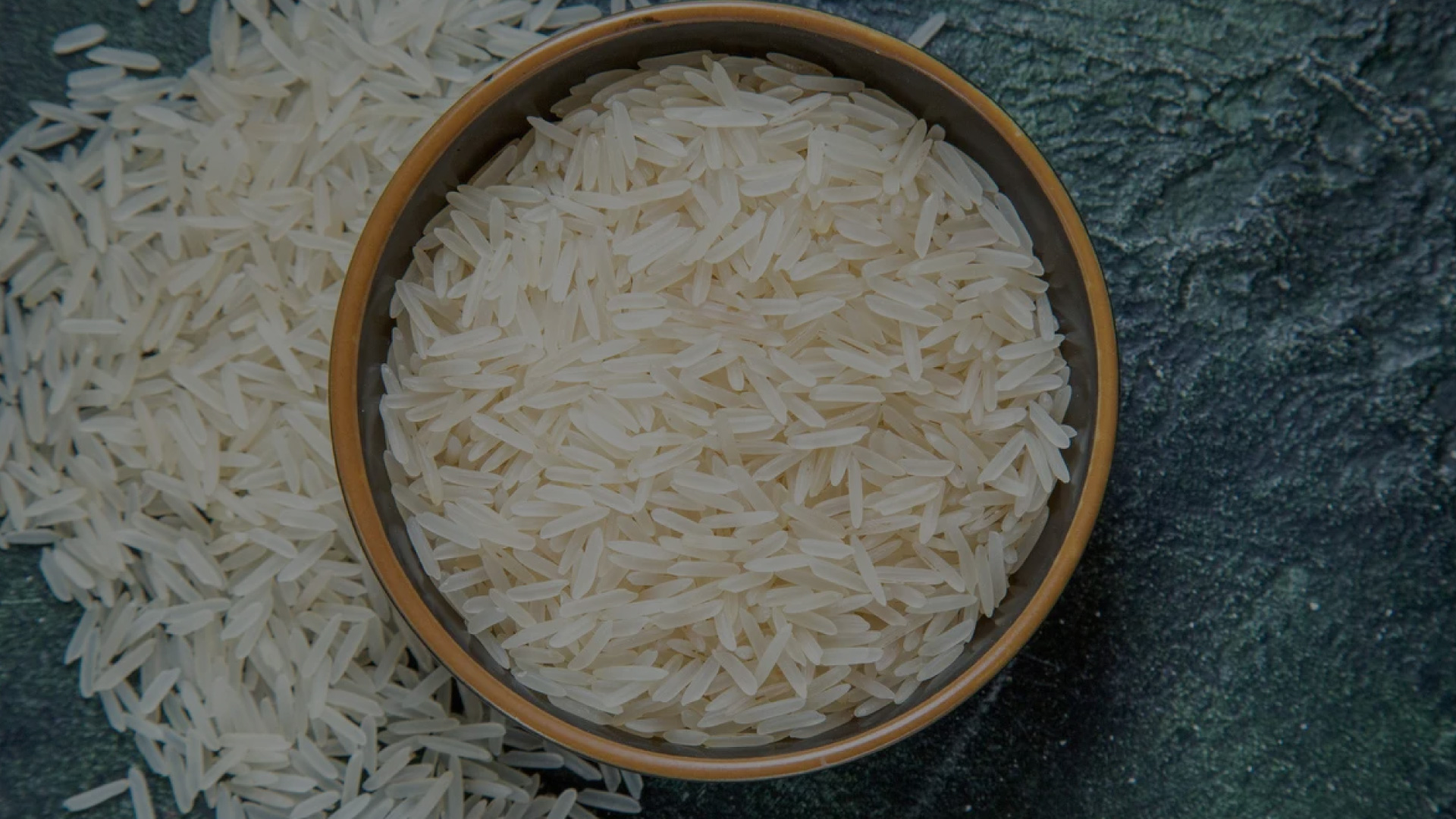
Maximizing Rice Yield: The Role of Fertilization in Achieving Optimal Growth and Quality
FAQ
What are the key nutrients required for optimal rice growth?
The key nutrients needed for rice cultivation are nitrogen (N), phosphorus (P), and potassium (K). These nutrients support various growth processes, including leaf development, root establishment, and disease resistance.
How does soil quality affect fertilizer choice for rice farming?
Soil quality impacts the nutrient availability for rice plants. Conducting a soil test helps determine the soil's nutrient content, allowing farmers to choose the right fertilizers based on existing deficiencies.
What is the best time to apply fertilizers for rice?
Fertilizers should be applied during critical growth stages of the rice plant. Early-season applications are generally recommended to meet nitrogen needs during tillering, while phosphorus is best applied before planting.
Interesting fact
Did you know that rice is grown in more than 100 countries across the world? China and India are the two largest producers of rice, together accounting for over half of the global supply. The versatility of rice varieties allows cultivation in diverse environments, from wet paddies to dry uplands.
Fertilization and Its Impact on Rice Growth
The application of fertilizers in rice farming is essential to meet the nutritional needs of the plants and to compensate for the nutrients that may be lacking in the soil. The main nutrients required for optimal rice growth are nitrogen (N), phosphorus (P), and potassium (K), often referred to as NPK. Each of these nutrients serves a unique purpose:
Nitrogen is critical for the development of strong leaves and stems. It promotes lush, green foliage and is vital during the early growth stages to ensure vigorous plant development.
Phosphorus supports root development and is crucial for energy transfer within the plant. It enhances flowering and seed formation, directly contributing to increased yields.
Potassium helps improve water regulation and overall disease resistance. It also plays a role in synthesizing proteins and starches, which enhances grain quality.
When rice plants lack these nutrients, they may exhibit stunted growth, reduced resistance to pests and diseases, and lower overall yield. Inadequate fertilization can lead to poor grain quality, affecting characteristics such as size, color, and taste, all of which are important factors for consumers.
Choosing the Right Fertilizers
Selecting the appropriate type of fertilizer is equally as important as the timing and method of application. Different fertilizers come in various forms, including organic, inorganic, and controlled-release options. Understanding the needs of the rice crop and the specific soil conditions is crucial for making informed decisions.
Organic fertilizers such as manure, compost, and green manures enrich the soil with organic matter and improve its structure. They release nutrients slowly, providing a steady supply over time. While they may not contain all essential nutrients uniformly, they contribute to soil health and fertility, creating a favorable growing environment for rice.
Inorganic fertilizers, on the other hand, deliver nutrients more directly and can be tailored to the specific requirements of rice. Soil testing can help determine existing nutrient levels and pinpoint deficiencies. For example, if a soil test reveals low nitrogen levels, a grower may choose to apply urea or ammonium sulfate.
Controlled-release fertilizers have gained popularity due to their ability to release nutrients gradually, aligning with crop needs through the growing season. This minimizes nutrient leaching, promotes efficiency, and ensures that rice plants have access to essential nutrients when they need them most.
It is vital to implement a fertility program that considers the plant growth stages, local soil characteristics, and cropping practices. The timing of fertilizer application can significantly affect nutrient uptake. Early-season application aligns with nitrogen requirements for tillering, while phosphorus should be added before planting to support robust root establishment.
Proper fertilization contributes not only to yield maximization but also to the grain's overall quality. A well-nourished rice plant yields grains with desirable characteristics such as larger size, better color, and improved flavor. Consumers are increasingly seeking high-quality rice, making it vital for producers to focus on enhancing these traits through effective nutrient management.
Calculate your product
Average according to FAO*
Yield*
0.0 t\ha
Weighted average cost (2023-2025)*
0.0 $\t
According to GGG testing data*
Total GG cost
0.0 $
GG input cost
0.0 $
1 person by hand: ~1-3 ha per day (depending on the norm and conditions)
Result of applying gg:
MIN
MAX
Yield increase (low / high)**, %
According to GGG testing data*
0.0
0.0
Yield*, t*
0.0
0.0
GG cost, $
0.0
0.0
GG input, $
0.0
0.0
Revenue, $
0.0
0.0
Balance, $
0.0
0.0
Disclaimer
This document is for informational and illustrative purposes only and does not constitute a public offer, investment advice, or a binding commercial proposal.
All calculations are based on assumptions and publicly available data, including but not limited to FAO and World Bank.
Actual results may vary significantly depending on local conditions, market fluctuations, and agronomic practices.
The company does not guarantee the achievement of the stated results.
Sources
FAO, World Bank, local markets / models
The method of calculating the price:
Prices are calculated based on a combination of international commodity benchmarks and country-specific adjustment coefficients.
Yield assumptions
Yield response is based on agronomic averages and may vary depending on soil, climate, and farming practices.
Limitations of the model
- does not take into account logistics
- does not take into account contracts
- does not take into account market volatility
The model is intended for indicative economic assessment only.
* Average if not according to FAO
**The size of the increase in target products against the background of the introduction of sufficient doses of NPK