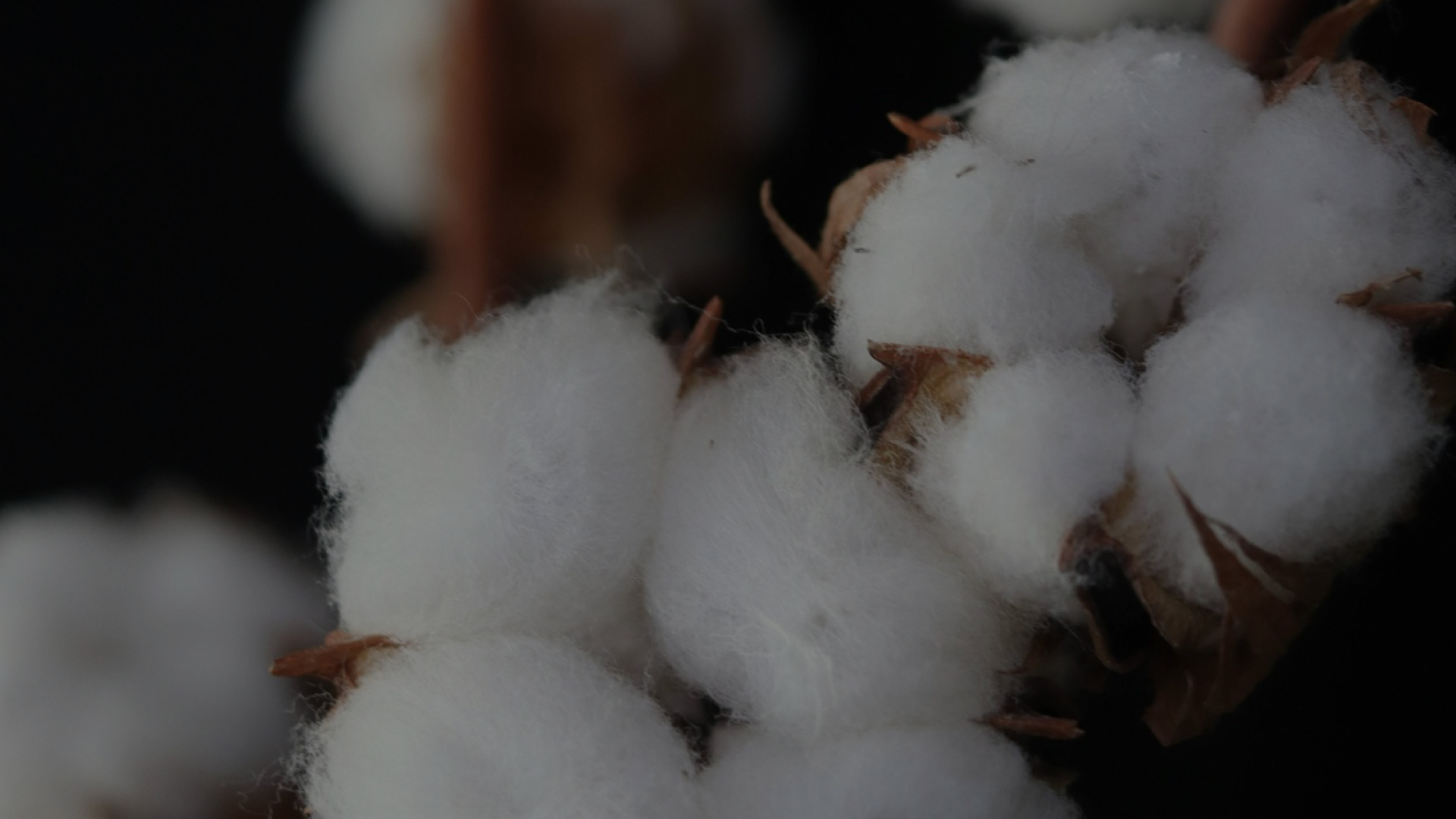
Seed cotton, unginned

Enhancing Yield and Quality of Unginned Seed Cotton: The Role of Fertilization

Seed cotton, the raw form of cotton before ginning, is an essential agricultural product with numerous uses, ranging from textiles to cosmetics. Cultivating seed cotton requires knowledge of specific growing conditions and care practices to optimize yield and quality. Key factors contributing to successful growth include soil condition, climate, irrigation, and, crucially, fertilization. Understanding the requirements for seed cotton production can significantly influence an agronomist's or a farmer's success in this field.

Cotton plants thrive in warm climates with ample sunlight. They require well-drained, fertile soil enriched with organic matter. Efficient irrigation practices are essential since cotton has a deep root system but still needs consistent moisture during critical development stages. Proper pest and weed management is also vital to protect the plant during its growth cycle. However, one of the most influential aspects of growing seed cotton is the application of fertilizers, which lays the groundwork for enhanced crop performance.

More info for Seed cotton, unginned
FAQ
What are the best fertilizers for seed cotton?
The best fertilizers for seed cotton typically include those high in nitrogen, phosphorus, and potassium. Tailoring fertilizer choices based on soil tests can optimize nutrient levels for seed cotton.
How can soil health affect seed cotton yield?
Healthy soil rich in organic matter supports efficient nutrient absorption and fosters a robust root system, essential for maximizing seed cotton yield.
What are the consequences of over-fertilization?
Over-fertilization can lead to nutrient runoff, soil degradation, and environmental harm. It can also cause plant health issues, including nutrient imbalances.
Interesting fact

Did you know that cotton is one of the oldest cultivated crops in the world? Archaeological evidence suggests that cotton was grown and processed as early as 5,000 years ago in the Indus Valley civilization, showcasing its long-standing importance to agriculture and human society.

The Importance of Proper Fertilization
Fertilization plays a pivotal role in the overall health and productivity of seed cotton. The right fertilizers can significantly enhance plant nutrition, affect growth rates, and ultimately influence yield and quality. Nitrogen, phosphorus, and potassium are three primary nutrients that cotton plants need to thrive.

Nitrogen: The Growth Booster
Nitrogen (N) is crucial for the early stages of growth in cotton plants. It is essential for protein synthesis and promotes healthy leaf and stem development. A well-nourished cotton plant can capture more sunlight and produce more energy through photosynthesis. This increase in energy directly correlates with greater flower and boll production, leading to higher yields. Thus, sufficient nitrogen levels are vital for achieving maximum seed cotton output.

Phosphorus: The Root Builder
Phosphorus (P) plays an equally vital role in the establishment of strong root systems. It facilitates root growth, which is essential for the plant's access to water and other nutrients. An adequately developed root system ensures that the cotton plant can withstand dry conditions and utilize soil moisture efficiently. Moreover, phosphorus aids in flowering and boll formation, directly contributing to seed cotton's quality and quantity.

Potassium: The Stress Resistor
Potassium (K) is another critical nutrient that supports various physiological processes within the cotton plant, including water regulation, enzyme activation, and photosynthesis. Potassium helps cotton overcome biotic and abiotic stress, such as drought or pest infestations. A well-fortified plant can maintain its health during unfavorable conditions and produce higher-quality fiber. Consequently, ensuring adequate potassium levels in the soil is essential for promoting resilient and fruitful seed cotton production.

Choosing the Right Fertilizers
Not all fertilizers are created equal. Farmers must select fertilizers that suit their specific soil conditions and the needs of their cotton plants. Soil testing is a crucial step that enables farmers to understand the nutrient profile of their fields. This data-driven approach ensures that they choose the right fertilizer blend tailored to boost crop performance.

Organic Vs. Synthetic Fertilizers
When it comes to fertilizers, farmers can choose between organic and synthetic options. Organic fertilizers, such as compost and manure, enrich the soil with nutrients and improve its structure. They help maintain soil health and promote sustainable agriculture practices. On the other hand, synthetic fertilizers offer concentrated nutrients that can provide rapid benefits but may lead to soil degradation if not managed properly.

The choice between organic and synthetic fertilizers will depend on a farmer’s goals, soil composition, and farming practices. Sustainable management of fertilizer applications is critical, as over-fertilization can lead to nutrient runoff, harming the surrounding ecosystem and reducing soil health.

Timing and Application Methods
Equally important to choosing the right fertilizer is knowing when and how to apply it. Fertilizer should typically be applied during the plant's key growth stages—such as land preparation, planting, and the flowering phase. Proper application methods, like broadcasting or banding, can influence the fertilizer's effectiveness and minimize waste.

Farmers should also consider integrating slow-release fertilizers to provide a more consistent nutrient supply throughout the growing season. Timing and methods of application should always align with the crop's specific needs to ensure optimal nutrient uptake.
Calculate your product
Average according to FAO*
Yield*
0.0 t\ha
Weighted average cost (2023-2025)*
0.0 $\t
According to GGG testing data*
Total GG cost
0.0 $
GG input cost
0.0 $
1 person by hand: ~1-3 ha per day (depending on the norm and conditions)
Result of applying gg:
MIN
MAX
Yield increase (low / high)**, %
According to GGG testing data*
0.0
0.0
Yield*, t*
0.0
0.0
GG cost, $
0.0
0.0
GG input, $
0.0
0.0
Revenue, $
0.0
0.0
Balance, $
0.0
0.0
Net profit, $
0.0
0.0
Net profit, $/ha
0.0
0.0
roi
0.0
0.0
Disclaimer

This document is for informational and illustrative purposes only and does not constitute a public offer, investment advice, or a binding commercial proposal.

All calculations are based on assumptions and publicly available data, including but not limited to FAO and World Bank.

Actual results may vary significantly depending on local conditions, market fluctuations, and agronomic practices.

The company does not guarantee the achievement of the stated results.

Sources

FAO, World Bank, local markets / models

The method of calculating the price:

Prices are calculated based on a combination of international commodity benchmarks and country-specific adjustment coefficients.

Yield assumptions

Yield response is based on agronomic averages and may vary depending on soil, climate, and farming practices.

Limitations of the model

- does not take into account logistics

- does not take into account contracts

- does not take into account market volatility

The model is intended for indicative economic assessment only.
* Average if not according to FAO
**The size of the increase in target products against the background of the introduction of sufficient doses of NPK