Sorghum is a versatile and resilient crop, renowned for its adaptability to various climatic conditions and its high nutritional value. As one of the world's most important cereal grains, sorghum thrives in regions with limited water and poor soil fertility. To optimize its growth and ensure a bountiful harvest, understanding the key growing requirements and care procedures is essential. Sorghum typically prefers well-draining soils with a pH level between 6.0 and 7.0. Its growth can be influenced by factors such as temperature, sunlight, and water availability. However, one of the most critical aspects of successful sorghum cultivation is proper fertilization. In this article, we will delve into how appropriate fertilization affects sorghum growth and why selecting the right fertilizers is crucial for maximizing yield and improving crop quality.
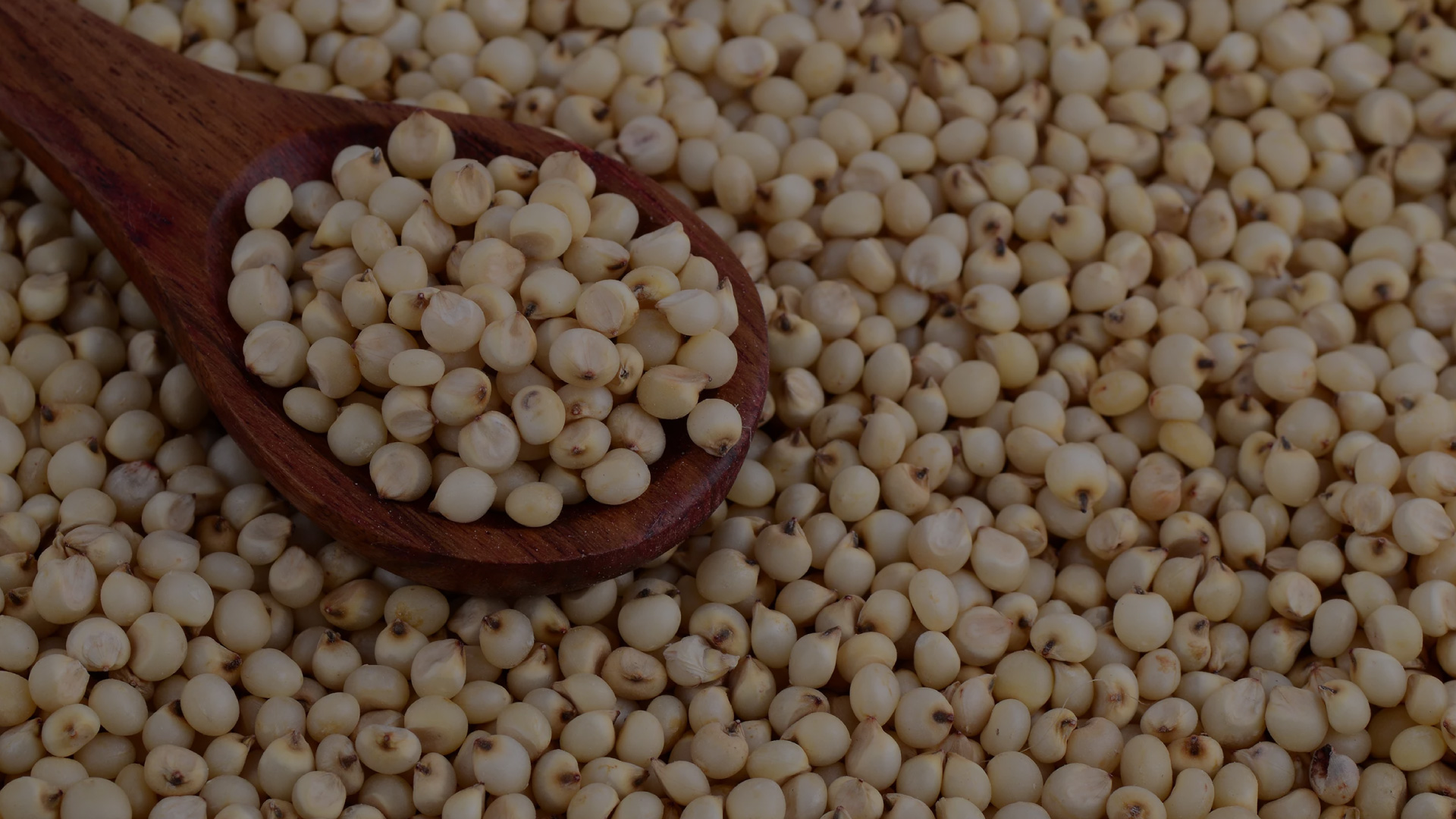
Maximizing Sorghum Yield: The Importance of Proper Fertilization
Did you know that sorghum is one of the oldest cultivated crops, with evidence of its cultivation dating back over 4,000 years? Originally domesticated in Africa, sorghum is now a staple food crop in many parts of the world. Its ability to thrive in arid conditions makes it an essential crop for food security, especially in regions affected by climate change.
The Role of Fertilization in Sorghum Cultivation
Fertilization is pivotal in establishing a nutrient-rich environment conducive to the optimal growth of sorghum plants. Nutrient availability directly affects the health, growth rate, and productivity of crops. Several key nutrients are essential for sorghum, including nitrogen, phosphorus, and potassium. Each of these nutrients plays a specific role in plant growth:
Nitrogen: This nutrient is vital for leaf and stem development. Adequate nitrogen levels contribute to the lush green foliage characteristic of healthy sorghum plants. It is crucial for the synthesis of amino acids and proteins, which are the building blocks of plant tissues. Furthermore, nitrogen supports photosynthesis, leading to increased biomass production.
Phosphorus: Essential for root development, phosphorus aids in energy transfer within the plant. Strong root systems improve nutrient and water uptake, enhancing overall crop resilience, especially during periods of drought. Phosphorus also plays a crucial role in flowering and seed production, significantly affecting grain yield.
Potassium: This nutrient is integral to regulating water uptake and maintaining osmotic balance within plant cells. Adequate potassium levels contribute to drought tolerance, disease resistance, and overall plant health. Potassium also enhances the quality of the grain, improving its taste and shelf life.
To achieve maximum yield and quality, it is important to conduct soil tests to determine existing nutrient levels. Based on these tests, farmers can apply targeted fertilizers that will replenish nutrient deficiencies without causing excesses that could lead to environmental issues.
Choosing the Right Fertilizers for Sorghum
The selection of fertilizers is critical in optimizing sorghum growth. Not all fertilizers are created equal; understanding their differences can help farmers make informed decisions. Here are some important considerations:
Organic vs. Synthetic Fertilizers
Organic fertilizers, derived from natural sources such as manure or compost, improve soil structure and encourage beneficial microbial activity. They often release nutrients slowly, providing a more sustainable nutrient supply over time. However, their nutrient concentration is typically lower than that of synthetic fertilizers.
Synthetic fertilizers, on the other hand, contain concentrated doses of essential nutrients. They offer immediate availability to plants, which is beneficial during specific growth stages when nutrient demands are high. However, over-reliance on synthetic fertilizers can lead to soil degradation and require careful management to avoid nutrient runoff into surrounding ecosystems.
NPK Ratios
Understanding the NPK ratio (the relative ratio of nitrogen, phosphorus, and potassium) of fertilizers is essential. For instance, an NPK ratio of 10-20-10 indicates higher phosphorus content, which may be desirable during the early stages of sorghum growth to promote root development. Conversely, a higher nitrogen ratio may be advantageous during the vegetative growth phase.
Timing and Application Methods
Timing and method of fertilizer application significantly influence nutrient absorption by sorghum plants. Fertilizers should ideally be applied before planting or at specific growth stages when nutrient demands are highest, such as during tillering or flowering. Application methods, such as broadcasting, side-dressing, or foliar feeding, can impact how effectively the nutrients are utilized. Choosing the right combination of timing and method ensures efficient nutrient delivery and reduces the likelihood of leaching or runoff.
Nutrient Management for Sorghum
Implementing a comprehensive nutrient management plan is vital for achieving optimal sorghum growth. This plan should include regular soil testing to assess nutrient levels and adjust fertilizer applications accordingly. Sustainable practices such as crop rotation and cover cropping can also enhance soil health and nutrient availability.
Moreover, integrating micronutrients such as zinc and iron into the fertilization program can further enhance sorghum health and yield. These micronutrients, though required in smaller quantities, play crucial roles in enzyme function and overall plant development. Deficiencies in these elements can lead to stunted growth and reduced crop quality.
This document is for informational and illustrative purposes only and does not constitute a public offer, investment advice, or a binding commercial proposal.
All calculations are based on assumptions and publicly available data, including but not limited to FAO and World Bank.
Actual results may vary significantly depending on local conditions, market fluctuations, and agronomic practices.
The company does not guarantee the achievement of the stated results.
FAO, World Bank, local markets / models
Prices are calculated based on a combination of international commodity benchmarks and country-specific adjustment coefficients.
Yield response is based on agronomic averages and may vary depending on soil, climate, and farming practices.
- does not take into account logistics
- does not take into account contracts
- does not take into account market volatility