Growing watermelons is an exciting endeavor for farmers and gardeners alike. This beloved fruit, known for its juicy sweetness and refreshing taste, has specific care and nutritional needs that significantly impact its growth and yield. In this article, we will explore the key growing requirements for watermelons, the vital role of fertilization, and how selecting the right fertilizers can enhance not just the yield, but also the flavor, color, and overall quality of this popular crop.
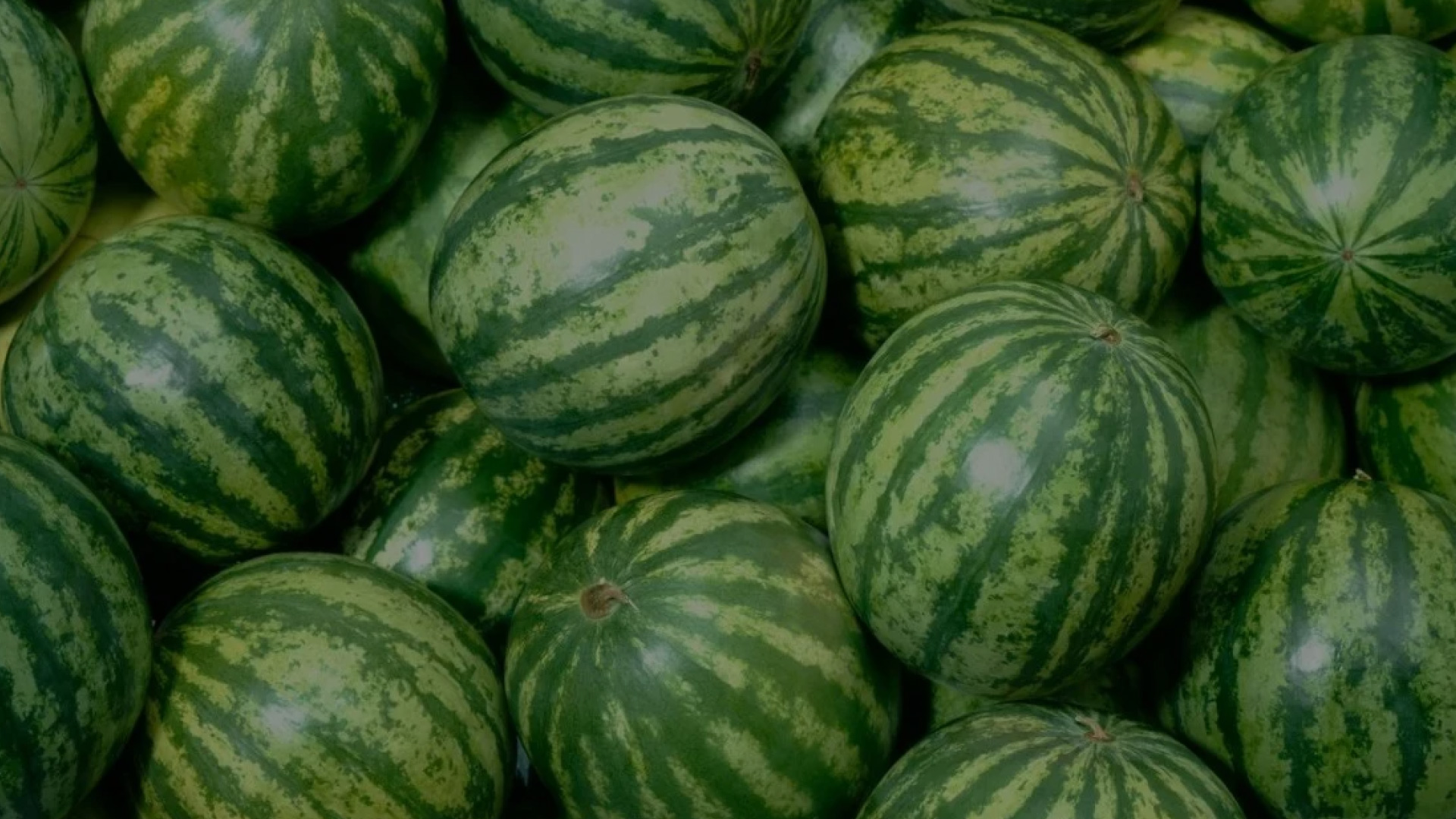
Maximizing Watermelon Yield and Quality Through Proper Fertilization
FAQ
How often should I fertilize watermelon plants?
Fertilization frequency can vary based on soil fertility, but generally, you should apply fertilizer at planting and then every 4 to 6 weeks throughout the growing season as needed.
What is the best fertilizer for watermelons?
A balanced fertilizer with a higher ratio of potassium and phosphorus is ideal during the fruiting stage. Look for options labeled for melons or fruits, ensuring they contain essential nutrients for optimal growth.
Can I use organic fertilizers for my watermelons?
Yes, organic fertilizers can benefit watermelons by improving soil health and slowly releasing nutrients. Common options include well-composted manure, fish emulsion, and bone meal.
Interesting fact
Did you know that watermelons are 92% water? This high water content makes them an excellent choice for hydration during hot summer months. Additionally, they are low in calories, making them a popular treat for health-conscious individuals.
Key Growing and Care Requirements for Watermelons
Watermelons thrive in warm climates and require a combination of well-drained soil, ample sunlight, and adequate water supply. They typically grow best in areas with a temperature range of 70°F to 90°F (21°C to 32°C), making late spring and summer ideal for planting. Below are some critical factors to consider when cultivating watermelons:
Soil Conditions
The foundation of healthy watermelon plants lies in the soil. Watermelons prefer sandy loam with a pH ranging from 6.0 to 6.8. This type of soil ensures sufficient drainage and prevents water accumulation, which can lead to root rot. It is advisable to conduct soil tests before planting to determine its nutrient content and pH level. If necessary, amendments should be made to achieve optimal soil conditions.
Planting and Space Requirements
When planting watermelons, spacing is crucial. Adequate space allows air circulation and reduces the risk of fungal diseases. Generally, plants should be spaced approximately 36 to 42 inches apart in rows that are 6 to 8 feet apart. This spacing not only supports healthy plant growth but also facilitates optimal light penetration.
Watering Needs
Watermelons need a consistent water supply, especially during their fruit development stage. Drip irrigation is often preferred as it delivers water directly to the roots, reducing moisture on the leaves and minimizing disease risk. The soil should be kept moist but not waterlogged. During drought periods, supplemental irrigation is essential to ensure that the plants do not stress, which can negatively impact fruit quality and yield.
Pest and Disease Management
Monitoring for pests (such as aphids, cucumber beetles, and spider mites) and diseases (like powdery mildew and downy mildew) is essential in maintaining a healthy crop. Integrated pest management strategies can be effective, combining physical, cultural, and biological control methods.
The Impact of Proper Fertilization on Watermelon Growth and Quality
Now that we have discussed the foundational care required for watermelons, let’s dive into how proper fertilization plays a crucial role in achieving optimal growth, high yield, and superior fruit quality.
Nutrient Requirements of Watermelons
Watermelons require a balanced supply of nutrients, including nitrogen, phosphorus, and potassium, which are vital for their growth. Nitrogen is essential for leafy growth; phosphorus promotes root development and flowering, while potassium enhances fruit size and sugar content. Each nutrient serves a specific function that contributes to the overall health and productivity of the watermelon plants.
Role of Fertilizers
Choosing the right fertilizers is critical for watermelons. Both organic and synthetic fertilizers can provide the necessary nutrients, but they vary in how quickly they release these nutrients into the soil. Organic fertilizers, such as compost or well-rotted manure, release nutrients slowly, improving soil structure and microbial activity over time. In contrast, synthetic fertilizers, like NPK (nitrogen, phosphorus, potassium) blends, deliver nutrients quickly but may require careful management to avoid over-fertilization.
Timing of Fertilization
The timing of fertilizer application is equally important. For watermelons, a starter fertilizer with a high phosphorus content should be applied at planting to support root establishment. As plants enter the vegetative growth stage, a nitrogen-rich fertilizer can be applied. Finally, a potassium-rich fertilizer should be utilized as fruits begin to develop, ensuring that watermelons achieve maximum size and sweetness.
Soil Amendments and Foliar Feeding
In addition to traditional fertilization, soil amendments such as lime can adjust pH levels and enhance nutrient availability. Foliar feeding, which involves applying liquid fertilizer directly onto the leaves, can also provide a quick nutrient boost, especially during critical growth stages. This method helps address any nutrient deficiencies that may arise during the growing season.
Calculate your product
Average according to FAO*
Yield*
0.0 t\ha
Weighted average cost (2023-2025)*
0.0 $\t
According to GGG testing data*
Total GG cost
0.0 $
GG input cost
0.0 $
1 person by hand: ~1-3 ha per day (depending on the norm and conditions)
Result of applying gg:
MIN
MAX
Yield increase (low / high)**, %
According to GGG testing data*
0.0
0.0
Yield*, t*
0.0
0.0
GG cost, $
0.0
0.0
GG input, $
0.0
0.0
Revenue, $
0.0
0.0
Balance, $
0.0
0.0
Disclaimer
This document is for informational and illustrative purposes only and does not constitute a public offer, investment advice, or a binding commercial proposal.
All calculations are based on assumptions and publicly available data, including but not limited to FAO and World Bank.
Actual results may vary significantly depending on local conditions, market fluctuations, and agronomic practices.
The company does not guarantee the achievement of the stated results.
Sources
FAO, World Bank, local markets / models
The method of calculating the price:
Prices are calculated based on a combination of international commodity benchmarks and country-specific adjustment coefficients.
Yield assumptions
Yield response is based on agronomic averages and may vary depending on soil, climate, and farming practices.
Limitations of the model
- does not take into account logistics
- does not take into account contracts
- does not take into account market volatility
The model is intended for indicative economic assessment only.
* Average if not according to FAO
**The size of the increase in target products against the background of the introduction of sufficient doses of NPK