Winter wheat is a vital crop in global agriculture, known for its versatility in various culinary applications and its resilience in colder climates. To cultivate winter wheat successfully, farmers must consider several critical growing and care requirements. This crop thrives best in well-drained, fertile soils with a pH between 6.0 and 7.0. Adequate moisture during germination and growth stages, along with proper pest management, are pivotal for a robust harvest. However, one of the most crucial factors influencing the yield, taste, and overall quality of winter wheat is proper fertilization. This article will explore how selecting the right fertilizers can effectively boost plant growth and lead to maximum yield while enhancing the crop's sensory attributes and shelf life.
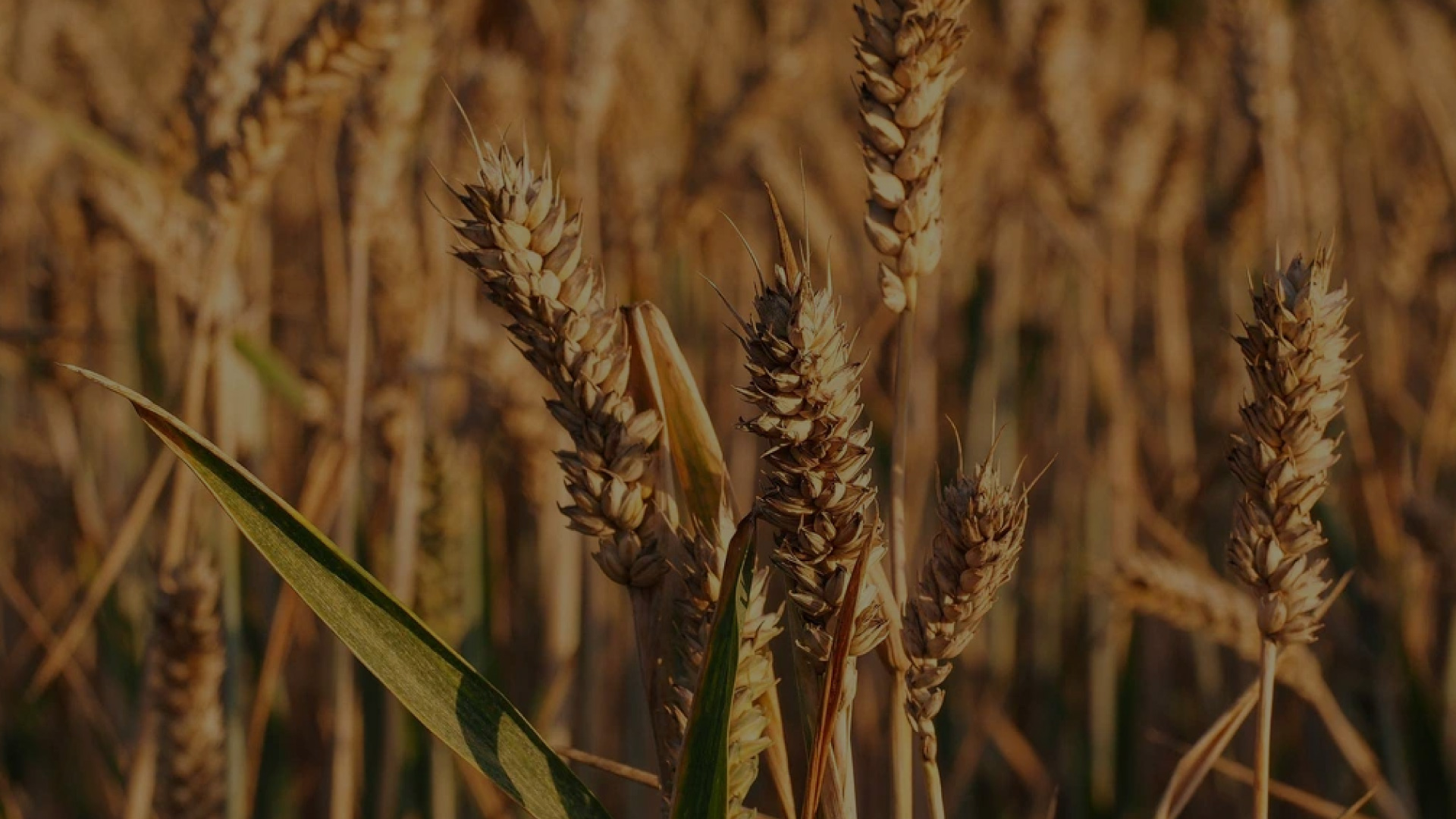
Maximizing Winter Wheat Yield: The Secret to Superior Taste and Shelf Life Through Fertilization
Did you know that winter wheat is typically planted in the fall and goes dormant during the winter? This unique growing cycle allows it to take advantage of moisture from winter snow, which can be crucial for early growth in spring.
The Importance of Proper Fertilization in Winter Wheat Cultivation
Fertilization plays a fundamental role in the overall health and productivity of winter wheat. The nutrients most critical for winter wheat include nitrogen (N), phosphorus (P), and potassium (K), often referred to as NPK. Each nutrient serves a distinct function crucial for plant development.
Nitrogen: Driving Growth and Yield
Nitrogen is a key nutrient for the growth of winter wheat. It is essential for the synthesis of amino acids, which are the building blocks of proteins. A sufficient supply of nitrogen helps in the formation of chlorophyll, increasing the plant’s ability to photosynthesize efficiently. This leads to enhanced vegetative growth, higher biomass accumulation, and ultimately, a greater yield.
Studies consistently indicate that nitrogen fertilization, especially during the tillering and jointing stages, can significantly increase wheat yields. Farmers should consider the use of controlled-release nitrogen fertilizers to minimize leaching and ensure that the wheat has a consistent source of this essential nutrient throughout its growth cycle.
Phosphorus: The Foundation of Root Development
Phosphorus plays a crucial role in root establishment and plant maturation. It is vital for energy transfer within the plant, facilitating the processes of photosynthesis and respiration. Adequate phosphorus enhances root development, allowing winter wheat to better access water and nutrients from the soil.
Early applications of phosphorus fertilizers can promote vigorous root growth, leading to stronger plants that are more resilient to environmental stressors such as drought. The placement of phosphorus fertilizers is essential; applying them at planting time or in a band near the seed can increase their availability to young plants.
Potassium: Enhancing Quality
Potassium is important for overall plant health and improving the quality of the harvested grain. It regulates various physiological processes, including water uptake and enzyme activation. A sufficient supply of potassium can increase the plant's resilience to disease and enhance its ability to withstand stresses such as drought.
Research shows that potassium fertilization can lead to improved grain filling and enhanced wheat kernel quality, which in turn affects taste and marketability. Farmers must monitor soil potassium levels and apply potassium fertilizers as needed to achieve optimal results.
Choosing the Right Fertilizers for Winter Wheat
Selecting the correct type of fertilizer is not just about the nutrient composition, but also about application timing and method. Here are several considerations for achieving maximum yield and quality in winter wheat:
Soil Testing: Understanding Nutrient Needs
Before applying fertilizers, farmers should conduct soil tests to determine the existing nutrient levels and pH of the soil. This information is crucial for making informed decisions about fertilizer types and their application rates. Soil tests allow farmers to identify deficiencies and overabundance, enabling them to tailor their fertilization strategy to the specific needs of their winter wheat crop.
Balanced Fertilization: Not Just NPK
While N, P, and K are vital, micronutrients such as zinc (Zn), manganese (Mn), and sulfur (S) also play essential roles in crop health. Deficiencies in these nutrients can lead to reduced yields and poor grain quality. Therefore, a balanced fertilizer program that considers both macronutrients and micronutrients is crucial for optimal crop performance.
Timing and Application Methods
The timing of fertilizer application can significantly impact winter wheat yield. Generally, nitrogen is divided into split applications, with one part applied at planting and the remainder during key growth stages. Employing methods such as banding or side-dressing can enhance nutrient uptake by placing fertilizers closer to the root zone.
Moreover, utilizing slow-release or controlled-release fertilizers can help match nutrient supply with plant demand. This strategy minimizes nutrient loss due to leaching and maximizes plant efficiency.
This document is for informational and illustrative purposes only and does not constitute a public offer, investment advice, or a binding commercial proposal.
All calculations are based on assumptions and publicly available data, including but not limited to FAO and World Bank.
Actual results may vary significantly depending on local conditions, market fluctuations, and agronomic practices.
The company does not guarantee the achievement of the stated results.
FAO, World Bank, local markets / models
Prices are calculated based on a combination of international commodity benchmarks and country-specific adjustment coefficients.
Yield response is based on agronomic averages and may vary depending on soil, climate, and farming practices.
- does not take into account logistics
- does not take into account contracts
- does not take into account market volatility